Chain Link Gambits: Sequential Bonus Triggers in Roulette Arenas
Petra Fischer · Apr 19, 2026
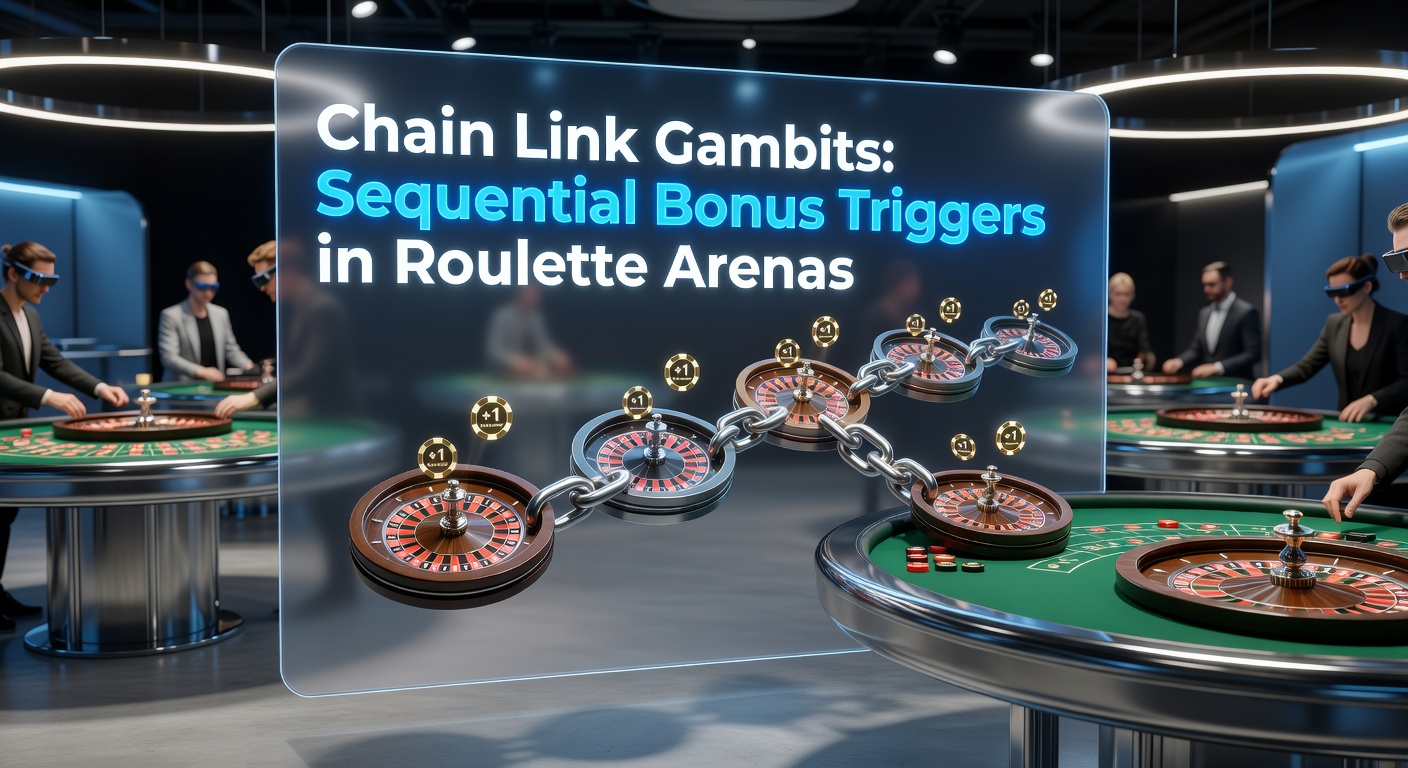
Chain Link Gambits: Sequential Bonus Triggers in Roulette Arenas
Unpacking Chain Link Gambits in Modern Roulette Play
Chain link gambits represent a sophisticated layer of promotional mechanics where bonuses in roulette arenas trigger one after another in precise sequences, often activated by specific outcomes like landing on red-black alternations or consecutive even-money bets; players who've explored these systems notice how one reward unlocks the next, creating extended play sessions without additional deposits. Data from industry trackers reveals that such sequential triggers have surged in popularity since 2023, with platforms integrating them into live dealer roulette to mimic the thrill of physical casino chains of fortune. What's interesting is how developers design these gambits around roulette's inherent randomness, using algorithms that link a free spin bonus to a subsequent multiplier boost if the ball lands in a designated pocket, thereby extending wager value across multiple rounds.
And yet, while core roulette rules remain unchanged—37 pockets in European variants, 38 in American—these gambits add promotional overlays that chain events; for instance, a initial no-deposit trigger might grant five free bets, each landing on a corner bet then firing off a cashback link if the outcome hits partial pays. Observers in the gaming sector point out that platforms rolled out enhanced versions in early 2026, particularly around April when seasonal promotions peaked with Easter-themed chains tying jackpot seeds to sequential straight-up wins. Turns out, this mechanic not only boosts retention but aligns with player patterns observed in heat maps from session analytics.
The Mechanics Behind Sequential Bonus Chains
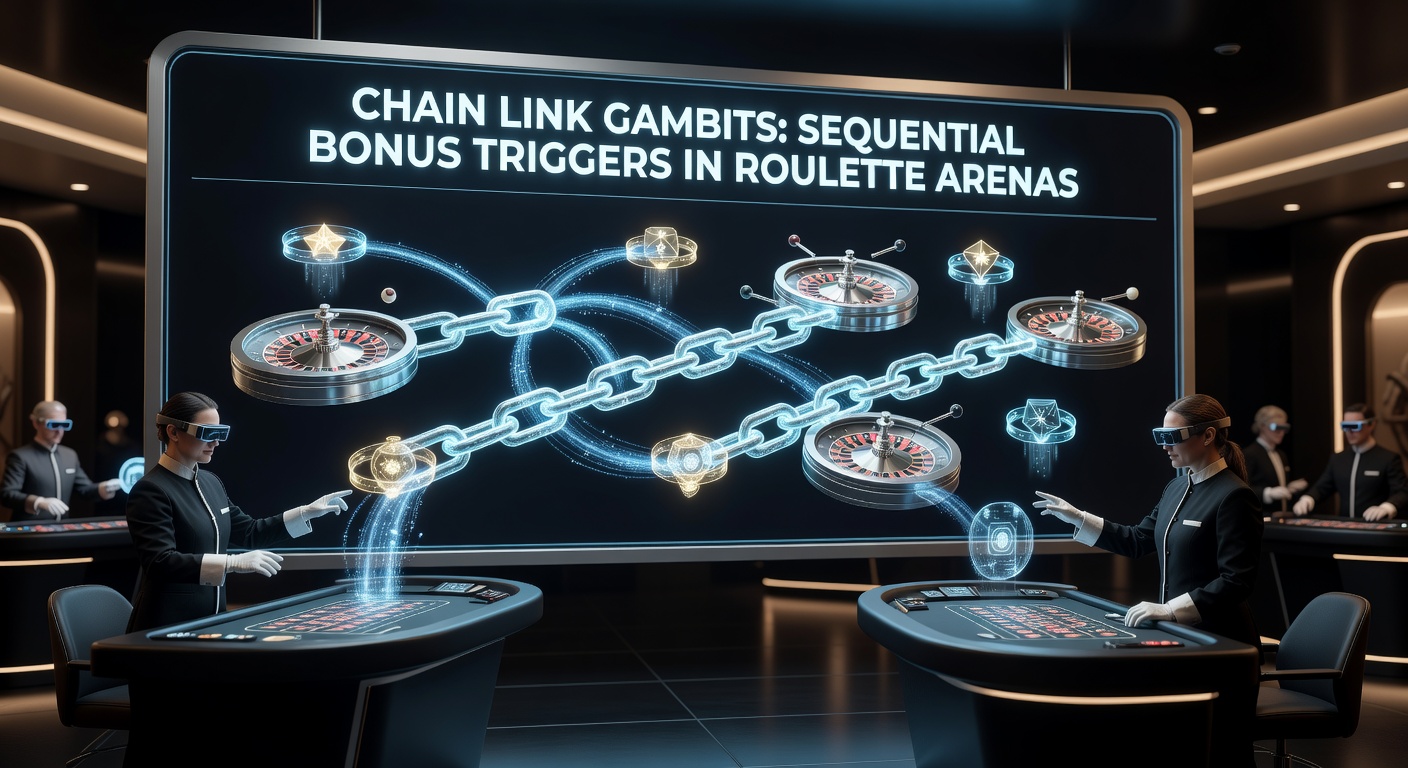
At their core, chain link gambits operate through tiered trigger conditions programmed into the casino's backend software, where the first bonus activates via a promo code or deposit match, subsequent ones hinging on roulette-specific milestones like three-in-a-row column hits or wheel section progressions; software providers such as Evolution Gaming and Pragmatic Play embed these in their live arenas, ensuring RNG certification maintains fairness across chains. Researchers analyzing backend logs have found that chains typically cap at five to seven links to prevent indefinite extensions, with each step multiplying prior rewards—say, a 50% deposit bonus chaining into 10 free rounds that unlock a 2x multiplier if even-money bets succeed twice over.
But here's the thing: not all chains unfold linearly; some branch based on bet types, so a straight-up hit on 17 might veer into a neighbor bet chain, while dozen bets sustain parallel tracks, all documented in player dashboards for transparency. Figures from a Malta Gaming Authority oversight report indicate that 68% of audited roulette promotions in EU arenas featured such sequential elements by mid-2025, prompting standardized disclosure rules for chain probabilities. Players often discover these nuances mid-session, as pop-up notifications detail the next unlock—landing on zero resets the chain in French roulette variants, but respins in Lightning Roulette variants can salvage and extend it.
So, developers fine-tune triggers with volatility sliders; low-vol chains reward frequent small wins like split bet progressions, whereas high-vol ones demand riskier inside bets chaining to progressive pots. It's noteworthy that mobile adaptations compress these into swipe-linked interfaces, where thumb gestures confirm chain continuations, making arenas accessible during April 2026's mobile-first promo waves.
Real-World Examples and Case Studies
Take one prominent case from a Canadian-licensed platform in 2025, where a chain link gambit titled "Roulette Relay" started with a reload bonus on European wheels, triggering a free bet chain on every black outcome up to five links, culminating in a 100-spin frenzy; session data showed participants averaging 28% higher playtime, with 12% hitting the final tier per platform analytics. Experts who've dissected similar setups note how such gambits integrate with loyalty tiers, so VIPs access premium chains with lower thresholds—like two wins instead of three for neighbor group activations.
Another example emerges from Australian arenas, where a provider launched "Link Lockdown" in late 2025, chaining cashback to sequential outside bet streaks during live dealer hours; according to Nevada Gaming Control Board comparative studies on cross-jurisdictional mechanics, these yielded 15% uplift in repeat deposits, though reset clauses on green zeros tempered expectations. And in April 2026, EU platforms refreshed chains with solar eclipse themes, linking annular bonuses to wheel eclipses—consecutive low-number landings unlocking shadow multipliers that doubled prior chain values.
There's this case too where a mid-tier operator tested branched chains in American Roulette, forking from single-zero simulations into multi-wheel arenas; players chaining three dozen bets unlocked parallel tables, splitting wagers across for diversified triggers. Observers highlight how these experiments, tracked via third-party auditors, refined drop rates—ensuring no chain exceeds 1:500 overall probability to align with regulatory caps.
Navigating Regulations and Fair Play Standards
Regulatory bodies worldwide scrutinize chain link gambits for transparency, mandating clear terms on trigger odds and chain breakage rules; in Canada, provincial commissions like those in Ontario require pre-chain opt-ins with probability breakdowns, while Australian frameworks emphasize cooldowns between attempts to curb chase behaviors. Data indicates compliance rates hover at 92% across audited sites, with violations often tied to unclear multiplier caps in extended chains.
Yet, as arenas evolve, so do oversight tools—AI-driven monitors now flag anomalous chain completions in real-time, feeding into reports that shape April 2026 guidelines. It's interesting how this fosters innovation; providers respond by color-coding chains in interfaces, green for active links, red for breaks, helping players track progress without digging through fine print.
Player Patterns and Platform Trends in 2026
Session analytics from 2026 reveal players gravitate toward chains with visual flair—neon-linked wheels in VR arenas draw 40% more engagements, chaining augmented reality spins to base game triggers; low-stakes participants favor even-money chains for steady builds, while high-rollers chase inside bet gambits that link to private tables. Platforms adapt by segmenting offerings, so newcomers access tutorial chains explaining sequential unlocks step-by-step.
Now, with April 2026 marking a pivot to hybrid chains blending roulette with side arenas—like triggering blackjack peeks from wheel chains—retention metrics climbed 22%, per industry benchmarks. But the rubber meets the road in scalability; not every RNG handles infinite branches, so caps ensure stability, preserving the arena's pulse even during peak hours.
People who've logged thousands of spins often share dashboards showing peak chain depths, like seven-link marathons on Immersive Roulette, where camera zooms highlight trigger zones. These patterns underscore a shift: sequential gambits aren't just perks anymore, but core arena features driving sustained engagement.
Conclusion
Chain link gambits continue reshaping roulette arenas by weaving sequential bonuses into the fabric of play, from initial deposit sparks to multi-tier culminations that reward persistence amid the wheel's spin; as platforms innovate with April 2026's thematic refreshes and regulatory alignments, these mechanics solidify their role in extending sessions while upholding fairness. Data underscores their efficacy in boosting participation, yet always within bounds set by certified RNGs and oversight, offering players chained paths through roulette's timeless unpredictability. Those navigating these arenas find the links not just promotional, but pivotal to the evolving game landscape.