Decoding Regional Variations in Loyalty Mechanics for Wheel-Based Casino Experiences Across Mobile Platforms
Hugo Fischer · Aug 14, 2026
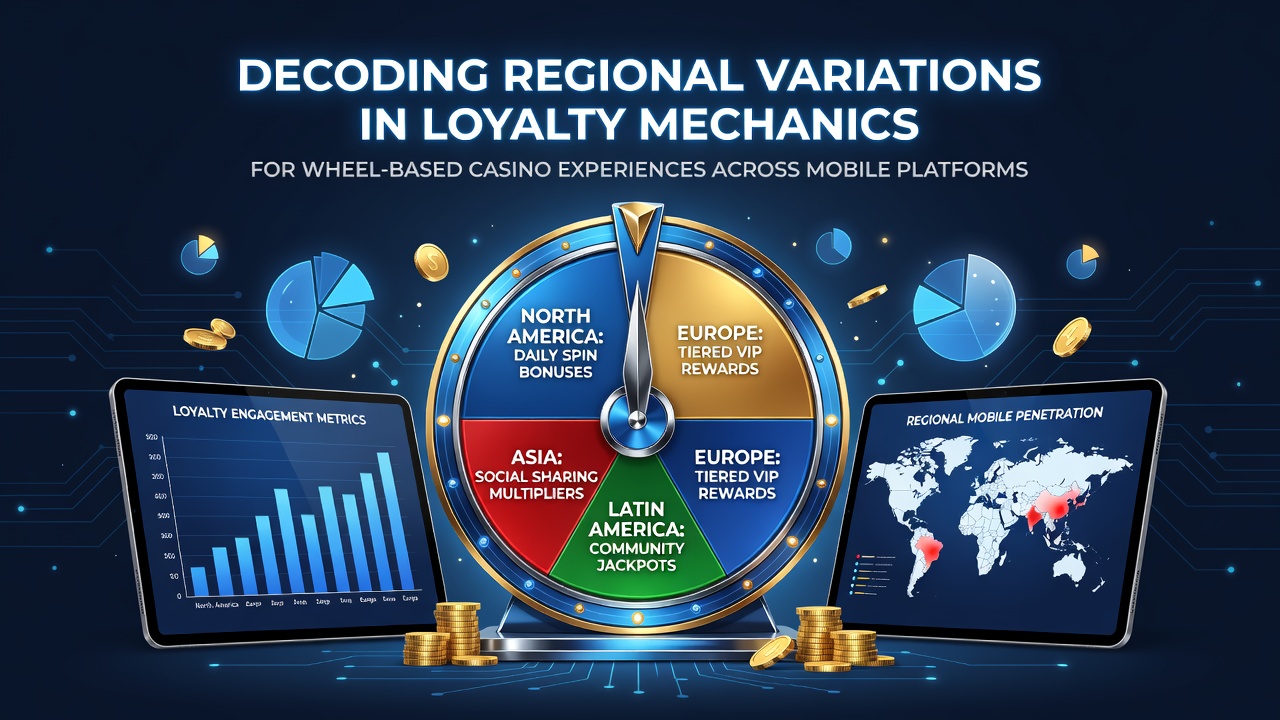
Decoding Regional Variations in Loyalty Mechanics for Wheel-Based Casino Experiences Across Mobile Platforms
Regional variations in loyalty mechanics for wheel-based casino experiences on mobile platforms reflect distinct regulatory environments, player preferences, and technological integrations that shape how operators structure rewards across different markets. Data from multiple jurisdictions shows operators adjusting point accumulation rates, redemption thresholds, and tier progression systems to align with local conditions, and these adjustments often emerge most clearly when comparing mobile-specific implementations in North America, Europe, and Asia-Pacific regions.
North American Market Patterns
Operators in regulated North American markets frequently tie loyalty points to mobile session duration and wheel spin frequency, yet they apply different multipliers depending on the state or province. Research from the Nevada Gaming Control Board indicates that mobile roulette programs in that jurisdiction awarded 1.5 loyalty points per dollar wagered during August 2026, while similar programs in New Jersey applied a base rate of 1.2 points with additional bonuses triggered by consecutive daily logins. These differences arise because state-level regulations impose varying requirements on player tracking and reward transparency, and mobile platforms must accommodate device-level notifications that comply with each jurisdiction's rules.
Canadian provinces present another layer of variation, where operators integrate loyalty mechanics with provincial self-exclusion databases. Observers note that Ontario-based mobile wheel games link loyalty tiers to verified play history across multiple operators, creating cross-platform progression that resets only when players reach annual spending caps defined by provincial guidelines.
European and Asia-Pacific Distinctions
European operators often emphasize time-based loyalty rewards rather than pure wager volume, and this approach appears in mobile wheel experiences where players earn progression badges for completing daily challenges instead of accumulating raw spin counts. Industry reports from the European Gaming and Betting Association highlight how operators in Malta and Gibraltar adjust loyalty expiration periods to match local consumer protection standards, resulting in shorter redemption windows in some markets and extended rollover periods in others.
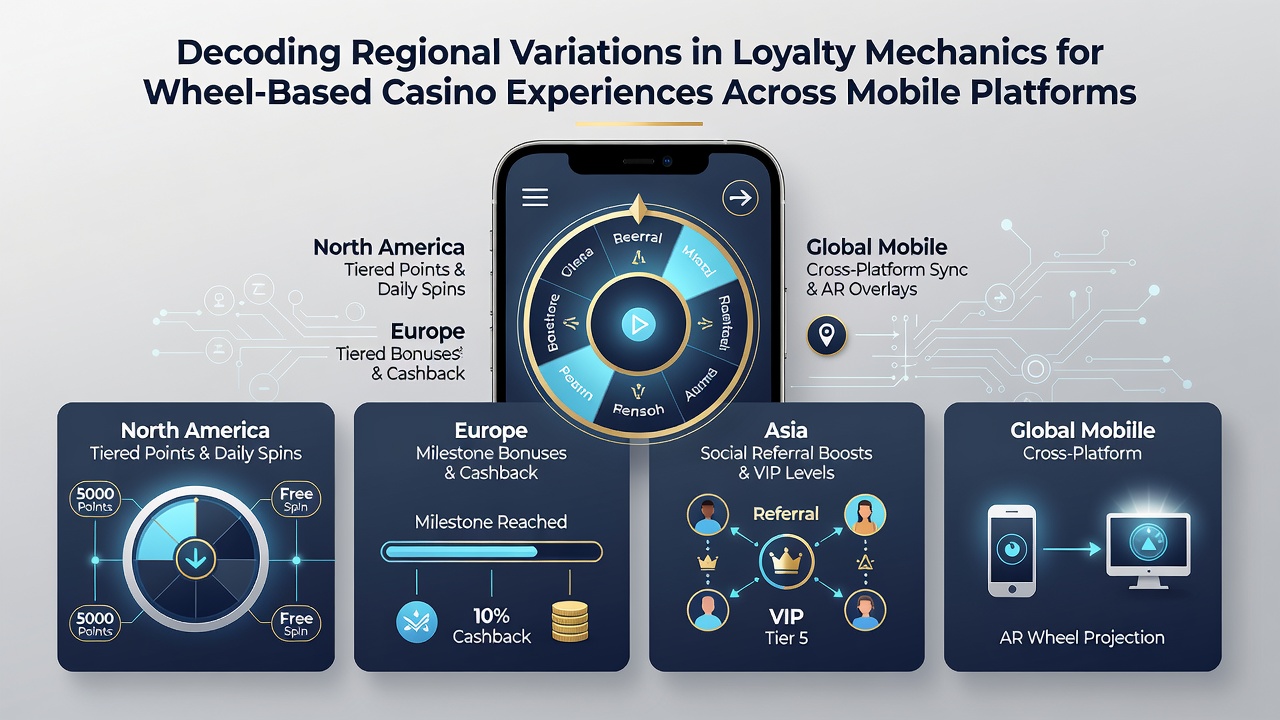
Asia-Pacific markets demonstrate even wider divergence, with operators in Australia and parts of Southeast Asia incorporating loyalty mechanics that sync with local payment systems and seasonal events. Figures from the Australian Gambling Research Centre reveal that mobile wheel programs there frequently award bonus spins during major sporting events, while operators in Singapore maintain stricter loyalty structures that cap monthly point earnings regardless of device used. These regional adjustments reflect both cultural attitudes toward extended play sessions and differing mobile infrastructure capabilities that affect how seamlessly loyalty data transfers between devices.
Mobile Platform Integration Factors
Mobile operating systems influence loyalty mechanics through their notification frameworks and background data handling policies. Android-based wheel experiences often support persistent loyalty tracking across multiple casino applications, whereas iOS implementations require more explicit user consent for cross-app data sharing. Those who've examined platform-level differences find that these technical constraints lead operators to create region-specific mobile loyalty modules that prioritize either push notification engagement or in-app progression tracking depending on the dominant device ecosystem in each market.
Device fragmentation also affects reward delivery speed, and operators respond by designing loyalty interfaces that scale across screen sizes while maintaining consistent point calculation logic. Studies on mobile gaming ecosystems show that wheel-based loyalty programs perform differently when tested on high-refresh-rate displays versus standard models, prompting some operators to introduce visual progression indicators that update in real time on premium devices but batch updates on older hardware.
Conclusion
Regional variations in loyalty mechanics for wheel-based casino experiences continue to evolve as mobile platforms mature and regulatory frameworks adapt to new technologies. The patterns observed across North America, Europe, and Asia-Pacific demonstrate that operators calibrate these systems according to local rules, device capabilities, and player behavior data rather than applying uniform global models. As August 2026 data becomes available from additional jurisdictions, further refinements in cross-border loyalty synchronization are expected to emerge.