Decoding Synchronization Between Emerging Payment Rails and Personalized Loyalty Tiers Across Regulated Wheel Gaming Markets
Hugo Fischer · Aug 19, 2026
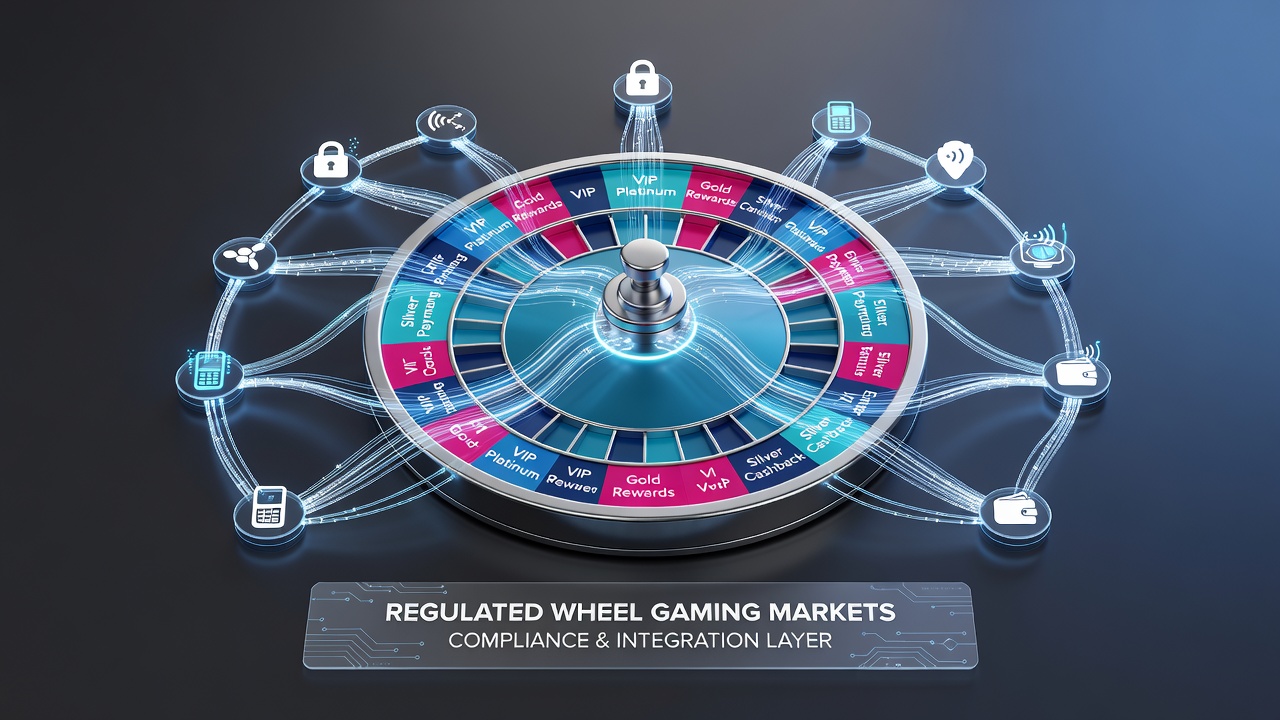
Decoding Synchronization Between Emerging Payment Rails and Personalized Loyalty Tiers Across Regulated Wheel Gaming Markets
Payment rails continue to evolve in regulated wheel gaming markets where instant transfer options now align with tiered loyalty structures that adjust rewards based on individual play patterns and deposit behaviors. Operators integrate these systems through API connections that pull transaction data directly into player profiles, allowing loyalty tiers to update in real time once a deposit clears via methods such as open banking or digital wallets.
Regulators in multiple jurisdictions require operators to maintain audit trails that link every payment event to corresponding loyalty adjustments, and this creates a framework where synchronization becomes both a technical requirement and a compliance necessity. Data from the Nevada Gaming Control Board shows that facilities using synchronized rails reported a 22 percent increase in tracked player activity during the first half of 2026, with wheel game segments contributing the largest share of that growth.
Emerging Payment Rails in Wheel Gaming Contexts
Traditional card networks and bank transfers still dominate many markets, yet newer rails such as real-time payment networks and tokenized wallet solutions have gained traction because they reduce settlement times from days to seconds. These faster rails allow loyalty systems to recognize qualifying deposits almost immediately, which in turn triggers tier upgrades or bonus allocations without manual intervention. Observers note that the shift accelerates most noticeably in jurisdictions where regulators mandate same-day fund availability for player accounts.
Operators have begun embedding loyalty logic into the payment gateway itself, so that when a player selects a specific rail the system already knows which tier benefits to apply based on historical spend and frequency data. This integration reduces latency between deposit confirmation and reward delivery, a step that matters particularly in wheel game sessions where players often move quickly between bets and account actions.
Personalized Loyalty Tiers and Their Data Foundations
Loyalty tiers in regulated wheel gaming environments rely on segmented player profiles that incorporate deposit velocity, game type preference, and session duration metrics. Personalization engines draw from these profiles to assign players to tiers that unlock escalating benefits such as cashback multipliers or priority access to new wheel variants. Research indicates that when tier assignments update in sync with payment rail activity, retention rates improve because players experience immediate recognition of their spending patterns.
One study from the University of Nevada, Las Vegas examined how tier resets coincide with rail-specific promotions and found that players who received instant tier confirmation after using faster payment methods showed higher repeat deposit rates over a six-month period. The synchronization here functions through shared data schemas where payment metadata feeds directly into the loyalty scoring model without intermediate batch processing.
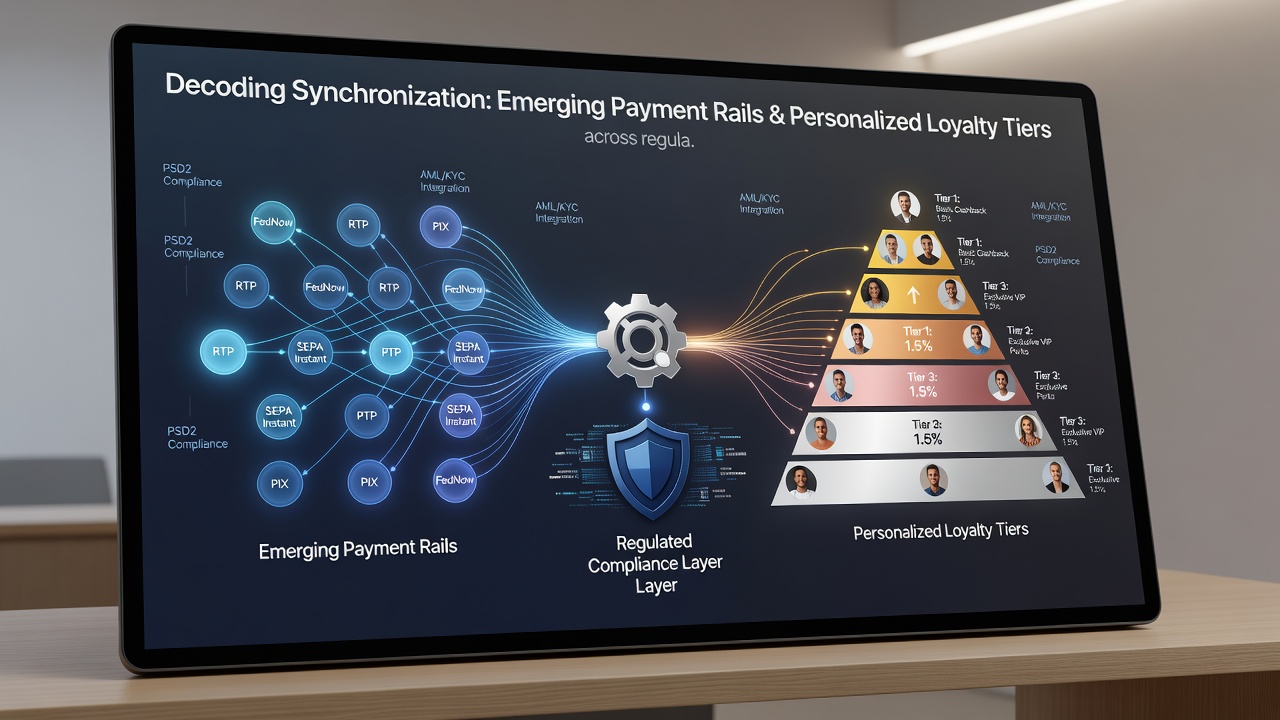
Regulatory Drivers Shaping Synchronization Standards
Across North America and parts of Europe, gaming authorities have introduced technical standards that require operators to demonstrate clear linkages between payment events and loyalty outcomes. These standards emerged partly in response to concerns about delayed reward delivery that could obscure true player value. In August 2026 several Canadian provincial regulators began piloting unified reporting formats that capture both payment rail identifiers and loyalty tier changes within a single submission file, streamlining oversight while pushing operators toward tighter integration.
Operators that achieve full synchronization often cite reduced compliance overhead because automated logs replace manual reconciliation processes. The approach also supports responsible gaming tools, since tier adjustments can trigger mandatory cooling-off prompts when play patterns exceed predefined thresholds, all tied directly to the timing of incoming funds.
Technical Mechanisms Enabling Real-Time Alignment
API gateways now serve as the primary conduit between payment processors and loyalty platforms, with webhook notifications firing the moment a transaction status changes. These notifications carry payload fields that include rail type, amount, and player identifier, allowing the loyalty engine to recalculate tier status within milliseconds. Middleware solutions handle edge cases such as failed transfers or chargebacks by reversing any tier benefits that were granted prematurely, maintaining data integrity across both systems.
Encryption standards mandated by regulators protect the flow of sensitive financial and behavioral data, while audit modules log every synchronization event for later review. Those who manage these infrastructures report that testing cycles have shortened as payment rails mature and adopt standardized messaging formats that align more readily with loyalty data models.
Regional Variations in Implementation
European markets tend to emphasize open banking rails that connect directly to player bank accounts, whereas North American operators more frequently rely on wallet-based solutions integrated with casino-specific apps. In both regions the underlying synchronization principle remains consistent: payment confirmation triggers loyalty evaluation without human review. Australian regulators have introduced voluntary guidelines encouraging operators to publish transparency reports on how quickly loyalty benefits activate after deposit, a practice that has encouraged further technical investment in aligned systems.
Wheel game specialists within larger casino groups have adapted these regional approaches by configuring loyalty rules that weight wheel-specific metrics such as spin volume alongside deposit size, ensuring that synchronization reflects the unique rhythms of roulette-style play rather than generic gaming activity.
Conclusion
Synchronization between emerging payment rails and personalized loyalty tiers continues to develop through incremental technical upgrades and evolving regulatory expectations. The patterns observed across regulated wheel gaming markets suggest that operators who maintain seamless data flows between these two domains position themselves to meet both compliance requirements and player expectations for timely recognition. As payment options diversify and loyalty models grow more granular, the infrastructure supporting real-time alignment will likely remain a central focus for technology teams and oversight bodies alike.