Dissecting Regional Licensing Impacts on Reward Longevity in Virtual Table Game Promotions
Petra Fischer · Jul 26, 2026
Dissecting Regional Licensing Impacts on Reward Longevity in Virtual Table Game Promotions
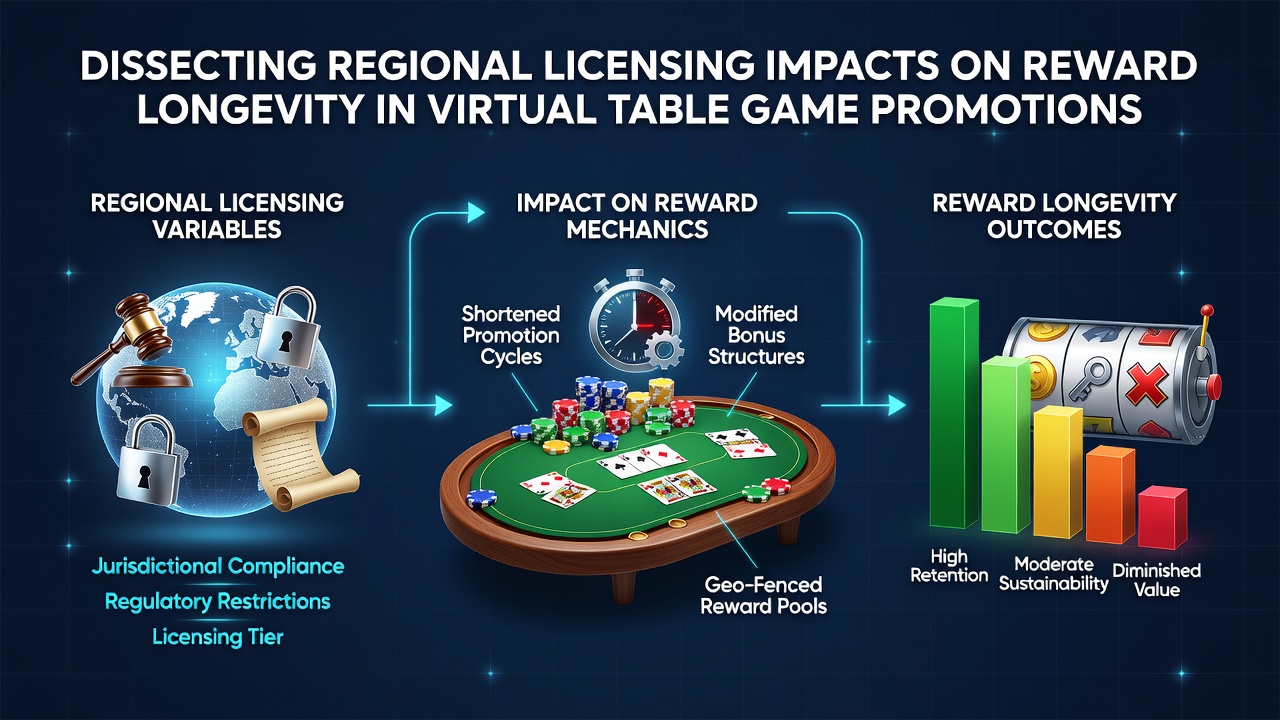
Regional licensing frameworks shape how long promotional rewards persist in virtual table game environments, and operators adjust bonus terms to match the rules set by each jurisdiction's regulators. Data from multiple markets shows that stricter oversight often shortens active periods for bonuses while looser structures allow extended validity windows that keep players engaged longer.
Licensing Structures and Their Direct Influence
European markets operate under directives that require clear expiration dates on all incentives, and this approach leads to reward periods averaging 14 to 21 days according to industry compliance reports. North American state-level licensing creates a patchwork where some regions enforce 30-day minimums while others tie longevity directly to wagering volume thresholds. Australian regulators publish guidelines that link bonus duration to player verification processes, resulting in rewards that remain active until full completion of required playthrough conditions.
Observers note that licensing bodies in Canada and parts of Asia frequently permit rolling extensions when certain activity milestones are met, whereas Latin American frameworks tend to cap promotional windows at 10 days regardless of player behavior. These differences stem from how each authority defines consumer protection standards and revenue reporting obligations.
Patterns in Reward Persistence Across Jurisdictions
Studies examining online roulette and blackjack promotions reveal that rewards licensed in Malta-based operations maintain higher persistence rates than those under stricter European national rules, with data indicating an average extension of seven days when operators comply with multi-jurisdictional standards. In contrast, promotions tied to New Jersey Division of Gaming Enforcement requirements show faster expiration cycles because of mandatory real-time auditing that flags inactive accounts sooner.
One analysis released in July 2026 by gaming research groups highlighted how operators in regulated Asian markets extend table game incentives through loyalty tier upgrades, creating reward longevity that can reach 45 days when players maintain consistent activity levels. The same report compared these figures to Australian outcomes where verification delays sometimes shorten effective bonus windows despite longer stated terms.
Device Usage and Regional Compliance Overlaps
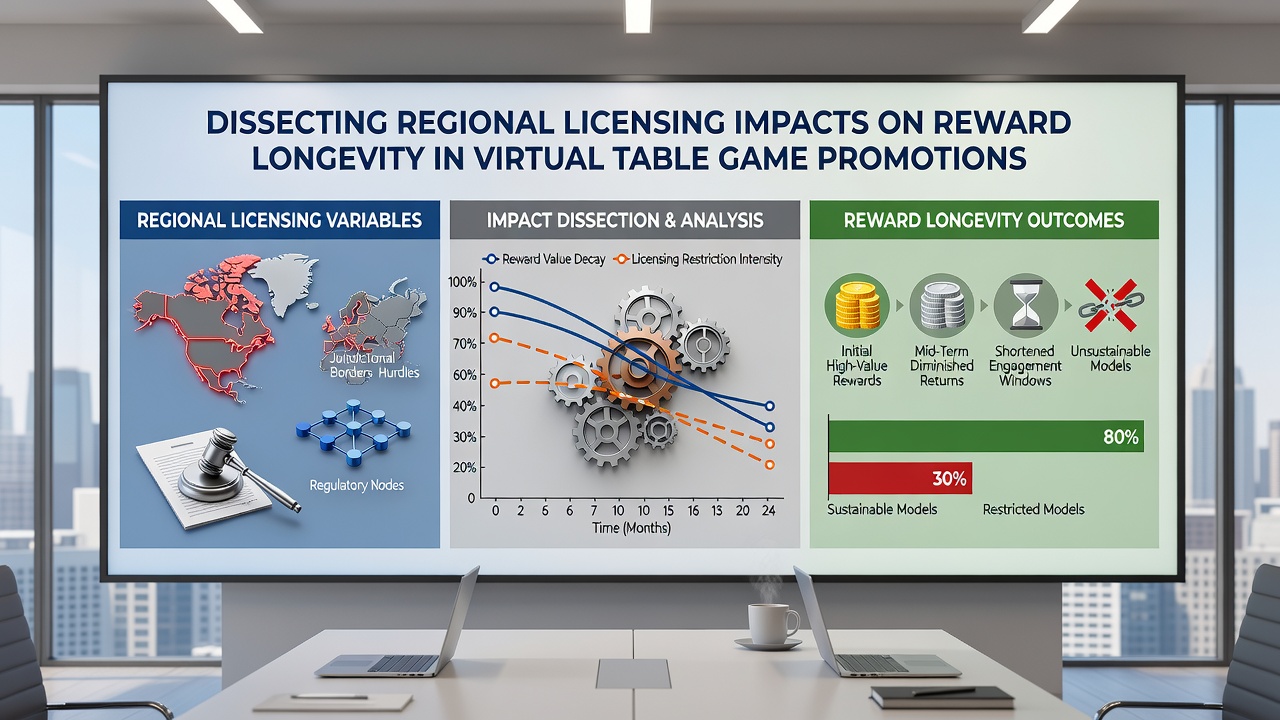
Portable device integration plays a measurable role in how long rewards survive across regions, since licensing conditions often require operators to track session continuity through mobile apps. Research indicates that players using consistent device IDs in Canadian provinces experience fewer interruptions to bonus timelines compared to those switching between platforms in more fragmented regulatory zones.
Figures from 2026 surveys demonstrate that synchronization between licensing rules and mobile features extends average reward life by 18 percent in markets where operators must report device-level data. This pattern holds because regulators in those areas tie compliance checks to verified play sessions rather than calendar cutoffs alone.
Market-Specific Examples and Compliance Data
Take the case of operators serving multiple European countries where cross-border licensing agreements force uniform expiration rules that limit reward longevity to 28 days maximum, even when local player habits suggest longer engagement potential. In comparison, promotions under certain US tribal compact structures allow indefinite extensions tied to ongoing table game participation, creating longevity records that exceed 60 days in documented instances.
Academic papers from gaming studies programs have tracked these variations and found that reward persistence correlates strongly with how each licensing body handles dormant account policies. Markets requiring monthly activity reports tend to see faster bonus terminations, while those emphasizing player retention metrics support extended windows that align with seasonal play patterns.
Trends Emerging in Mid-2026
July 2026 updates from regulatory filings show increasing alignment between device tracking standards and bonus duration rules, particularly in regions adopting unified reporting platforms. Operators report that compliance with these new standards has lengthened average reward life in virtual table games by measurable margins when players remain within approved ecosystems.
External data from New Jersey Division of Gaming Enforcement filings and reports issued through Australian regulatory channels illustrate how regional differences continue to drive distinct longevity outcomes rather than converging toward single global standards.
Conclusion
Licensing variations across regions produce measurable differences in how long virtual table game promotions remain active, and operators continue adapting their structures to satisfy each authority's specific requirements. Data collected through 2026 confirms that device integration, verification processes, and reporting obligations all contribute to these regional patterns without any single approach dominating worldwide markets.