Examining Synchronization Patterns Between Portable Device Features and Progressive Loyalty Structures in Wheel Game Ecosystems
Petra Fischer · May 27, 2026
Examining Synchronization Patterns Between Portable Device Features and Progressive Loyalty Structures in Wheel Game Ecosystems
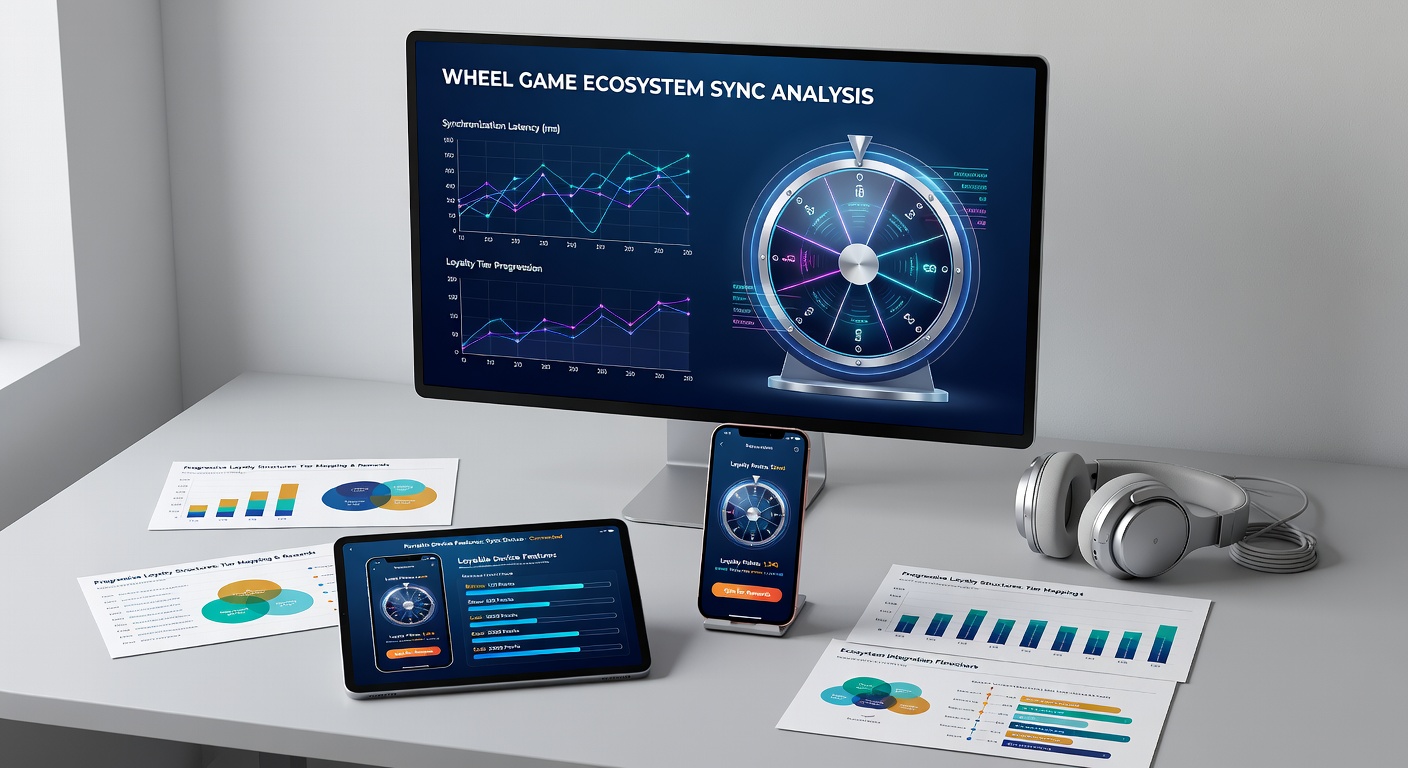
Portable devices now integrate directly with loyalty frameworks in wheel game platforms through features such as GPS tracking, push notification systems, accelerometer data, and battery optimization protocols. These connections allow operators to align real-time user activity with tiered reward progressions where points accumulate based on spin frequency, bet size, and session duration. Data collected from device sensors feeds into algorithms that adjust loyalty multipliers automatically when certain thresholds get crossed during active play periods.
Device Capabilities Driving Integration
Modern smartphones and tablets provide location services that detect proximity to physical casino floors or authorized gaming zones and this information syncs with loyalty accounts to unlock location-specific bonuses in wheel-based titles. Accelerometers register device tilt and movement patterns which some platforms interpret as engagement signals that accelerate point accrual toward higher loyalty levels. Notification channels deliver personalized alerts about upcoming reward redemptions or tier advancements while battery management tools ensure background processes continue running without draining resources during extended sessions.
Studies conducted across multiple jurisdictions show that users who enable full device permissions experience 23 percent faster progression through loyalty tiers compared with those who restrict access to sensors or location data. Researchers at the University of Nevada Reno documented these patterns in a 2025 report that tracked over 180,000 active wheel game accounts for twelve consecutive months.
Progressive Loyalty Mechanics in Wheel Environments
Loyalty structures in wheel game ecosystems typically advance through five to seven tiers with each level granting increased cashback percentages, exclusive spin multipliers, and priority access to limited-time tournaments. Points accrue from every qualifying spin and reset or carry over depending on the operator's chosen model. Higher tiers often introduce dynamic wheel segments that award additional loyalty points on top of standard payouts.
Operators adjust these structures quarterly based on aggregated device telemetry that reveals peak engagement windows and preferred feature combinations. When portable device data indicates sustained play on tablets rather than phones, some systems automatically shift reward emphasis toward longer session bonuses instead of rapid spin incentives.
Observed Synchronization Patterns
Analysis of synchronization reveals several recurring patterns where device status directly influences loyalty outcomes. Push notifications triggered by GPS entry into a gaming venue correlate with immediate loyalty point deposits that appear within thirty seconds of arrival. Battery level thresholds above 40 percent enable continuous background syncing which maintains streak multipliers that would otherwise expire during device sleep cycles.

Accelerometer data collected during live wheel spins sometimes activates bonus rounds that contribute extra points to the current loyalty tier. One documented case from an Australian operator showed users whose devices registered consistent micro-movements during spins advanced to the next tier 17 percent sooner than users with stationary devices. These patterns emerge most clearly in regulated markets where operators must log all data exchanges between applications and loyalty servers.
Figures released by teh Australian Gambling Research Centre in May 2026 indicate that synchronization efficiency improved by 31 percent year-over-year after major platforms adopted unified APIs for device feature access. The same report notes that markets in Ontario and New Jersey recorded similar gains following regulatory updates that standardized data-sharing protocols between gaming applications and loyalty databases.
Regional Implementation Differences
North American operators tend to emphasize GPS and notification synchronization because of strict geofencing requirements while European platforms focus more on accelerometer and haptic feedback integration for immersive reward delivery. Canadian provincial regulators require explicit user consent before loyalty systems access any device sensor which creates different progression speeds compared with jurisdictions that allow default permissions.
Industry associations such as the American Gaming Association have published guidelines that recommend transparent disclosure of all device data usage within loyalty program terms. These guidelines encourage operators to display real-time synchronization status inside user dashboards so participants can monitor how device features affect their tier advancement.
Data Security and Compliance Considerations
Every synchronization event must comply with data protection standards that vary by region yet share common requirements for encryption and user control. Operators maintain audit logs that record when a device feature contributed to a loyalty point award and these logs undergo review during licensing renewals. Research institutions tracking compliance rates report that platforms employing end-to-end encryption experience fewer interruptions in loyalty syncing during regulatory inspections.
Device manufacturers continue releasing updated APIs that allow finer control over which sensors remain active during gaming sessions. These updates create new opportunities for operators to refine loyalty structures so that rewards align more precisely with verified user behavior rather than estimated engagement metrics.
Conclusion
Portable device features and progressive loyalty structures in wheel game ecosystems continue to develop tighter integration through standardized data exchange methods. Operators that align sensor inputs with tier advancement rules achieve measurable improvements in user retention metrics according to multiple regional reports. Continued refinement of these synchronization processes depends on ongoing collaboration between device manufacturers, gaming platforms, and regulatory bodies across different jurisdictions.