Generational Differences in Redeeming Roulette Rewards on Portable Platforms
Petra Fischer · Jul 10, 2026
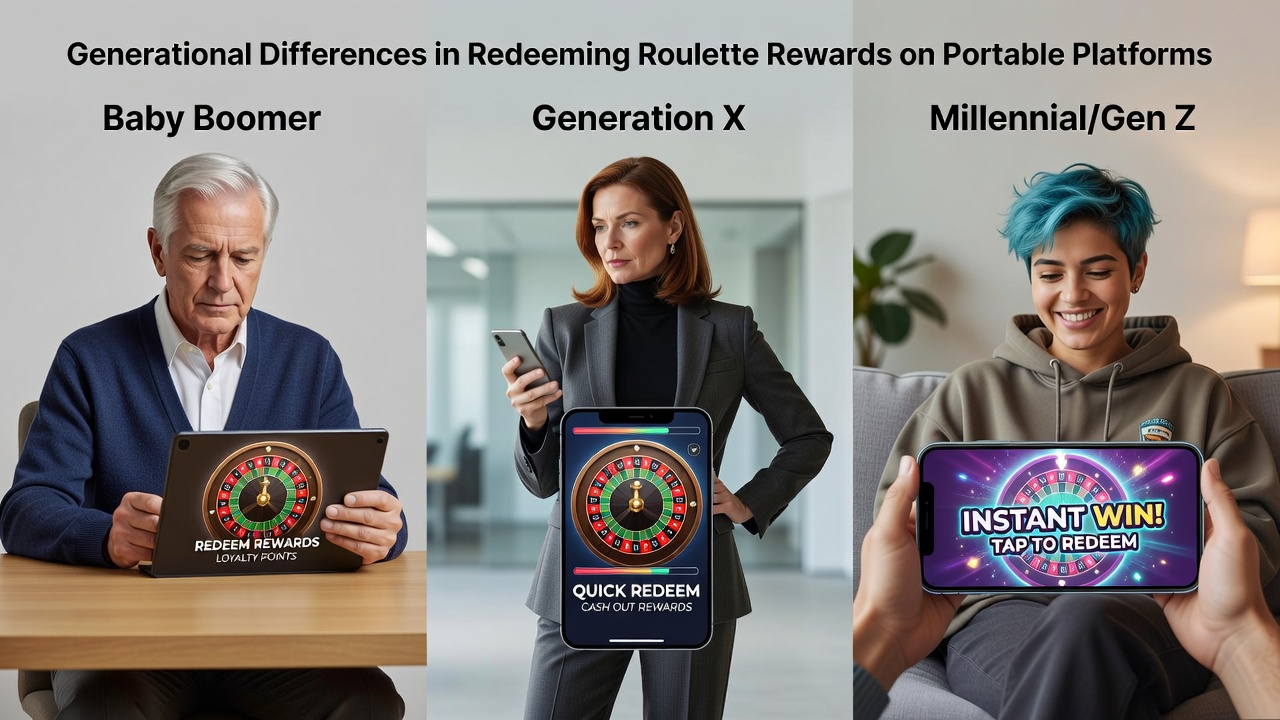
Generational Differences in Redeeming Roulette Rewards on Portable Platforms
Portable platforms have transformed how players access and redeem roulette rewards, with mobile apps and tablet interfaces handling everything from instant bonus claims to loyalty point conversions in regulated markets worldwide. Data collected through 2025 shows distinct patterns emerging among age cohorts when it comes to completing these redemptions on smartphones and tablets rather than desktop systems. Researchers tracking user behavior note that device preferences intersect with generational habits around notifications, authentication methods, and reward structures.
Platform Features Shaping Redemption Habits
Portable roulette applications typically integrate push notifications, biometric logins, and progressive jackpot trackers that update in real time, yet these tools see uneven adoption depending on the user's age bracket. Studies conducted by the Australian Gambling Research Centre reveal that younger users often complete reward redemptions within minutes of receiving an alert, whereas older cohorts tend to review terms across multiple sessions before confirming. The same report highlights how tablet users in the 45-plus range favor larger screen layouts for reviewing wagering requirements, while smartphone-dominant groups prioritize one-tap options that bypass extended menus.
Age-Based Patterns in Mobile Reward Claims
Gen Z players demonstrate high engagement with app-based roulette rewards that tie directly into social features and quick-stake mechanics, frequently redeeming small-value bonuses across several sessions in a single day. Millennials show similar speed in claiming reload offers yet demonstrate stronger retention when rewards link to personalized loyalty tiers tracked through device analytics. Observers at the Responsible Gambling Council in Canada documented that users aged 25 to 40 complete roughly 68 percent of their roulette reward redemptions via mobile during evening hours, often while commuting or during short breaks.
Gen X participants, by contrast, spread their redemptions across both mobile and occasional desktop checks, showing preference for rewards that accumulate over longer play periods rather than instant triggers. Data from the Nevada Gaming Control Board indicates this group initiates fewer same-day redemptions than younger users but maintains higher average balances before cashing out. Boomers exhibit the slowest mobile redemption rates overall, with many preferring to verify offers through email confirmations sent to linked accounts before proceeding on a portable device.
Technology Interfaces and Verification Methods
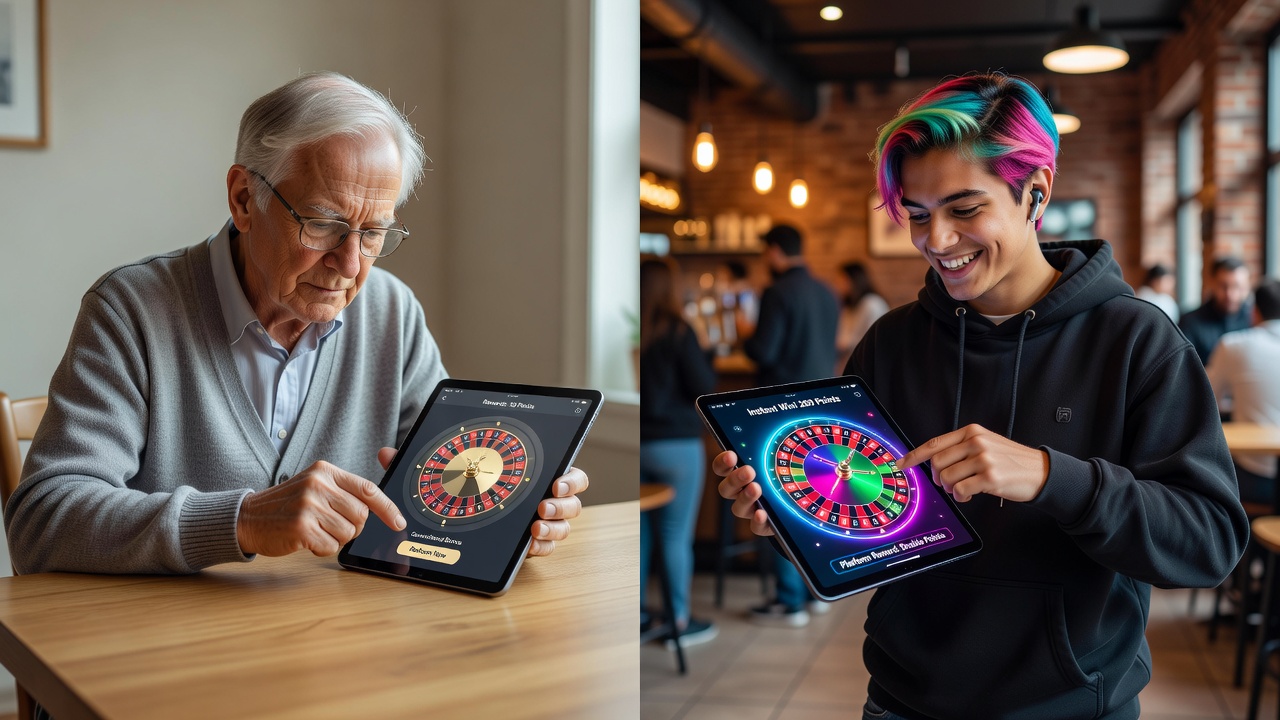
Biometric authentication has accelerated redemption speeds across all groups since its wider rollout in 2024, yet adoption curves differ sharply. According to findings published in the Journal of Gambling Issues, users under 35 complete fingerprint or face-ID verified claims at rates nearly double those recorded for players over 55. Portable platform developers have responded by offering alternative verification paths, including SMS codes and email links, that older demographics utilize more frequently when redeeming roulette-specific loyalty points.
Regional regulatory updates scheduled for July 2026 in several European markets are expected to standardize mobile reward disclosure formats, which may further influence how each generation navigates terms and conditions on smaller screens. Current figures from the European Gaming and Betting Association show that simplified mobile interfaces already correlate with higher redemption completion rates among Millennials and Gen Z in markets where such standards have been piloted.
Cross-Generational Data Points Through Mid-2026
Retention metrics collected across North American and Australian operators demonstrate that portable platform redemptions for roulette rewards remain highest among 18-to-34-year-olds, reaching 74 percent of total claims in the first half of 2026. The same datasets indicate that 35-to-54-year-olds account for 19 percent of mobile redemptions while those 55 and older represent the remaining 7 percent. These distributions have stayed consistent since portable loyalty systems expanded in 2023, suggesting structural rather than temporary differences in how generations interact with reward mechanics on the go.
Conclusion
Patterns in portable roulette reward redemption continue to reflect measurable differences across generational lines, driven by device familiarity, verification preferences, and timing habits documented in multiple regulated jurisdictions. As July 2026 approaches and new interface standards take effect, operators and researchers will gain additional data on whether these gaps narrow or persist. The available evidence points to ongoing variation rather than convergence in how age groups finalize mobile-based roulette reward claims.