How Cultural Play Preferences Influence Roulette Reward Customization in Various Global Regions
Petra Fischer · Aug 16, 2026
How Cultural Play Preferences Influence Roulette Reward Customization in Various Global Regions
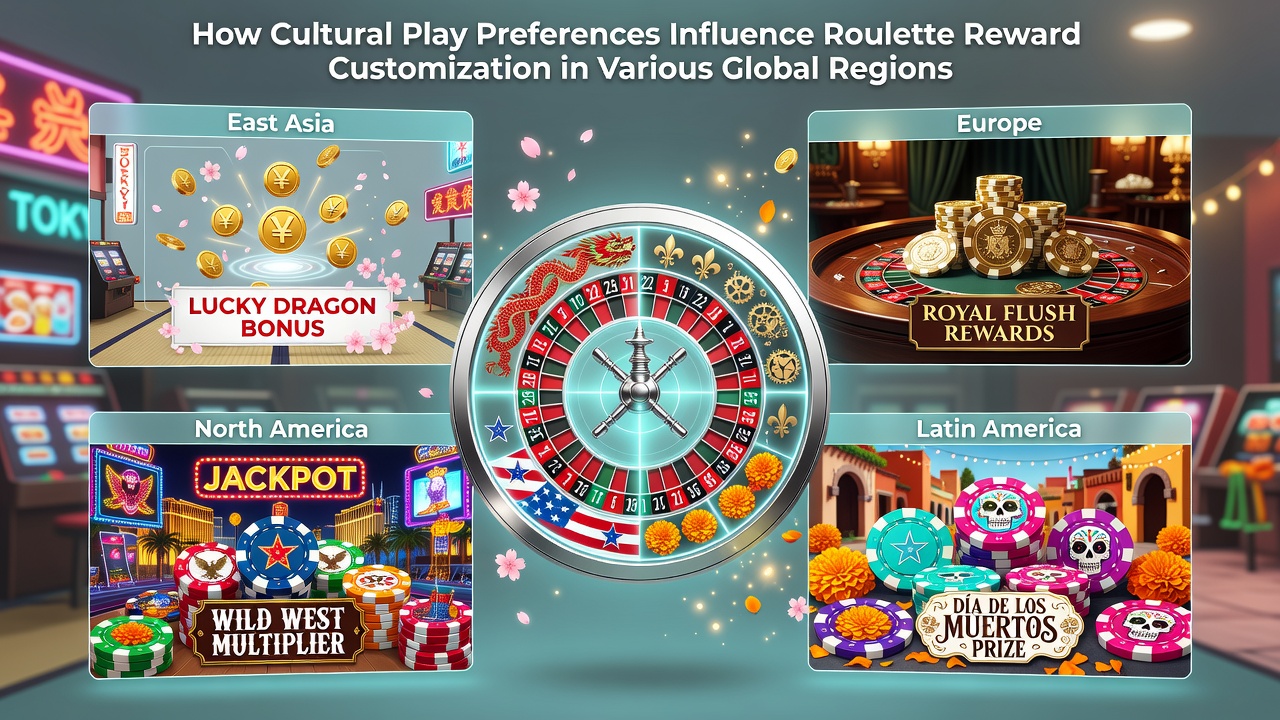
Regional differences in roulette participation continue to shape how operators design reward structures, and data collected through 2026 shows clear patterns tied to local play habits rather than universal templates. Observers tracking digital and land-based platforms note that preferences for risk levels, session length, and social interaction drive distinct customization approaches across markets.
European Markets and Measured Reward Structures
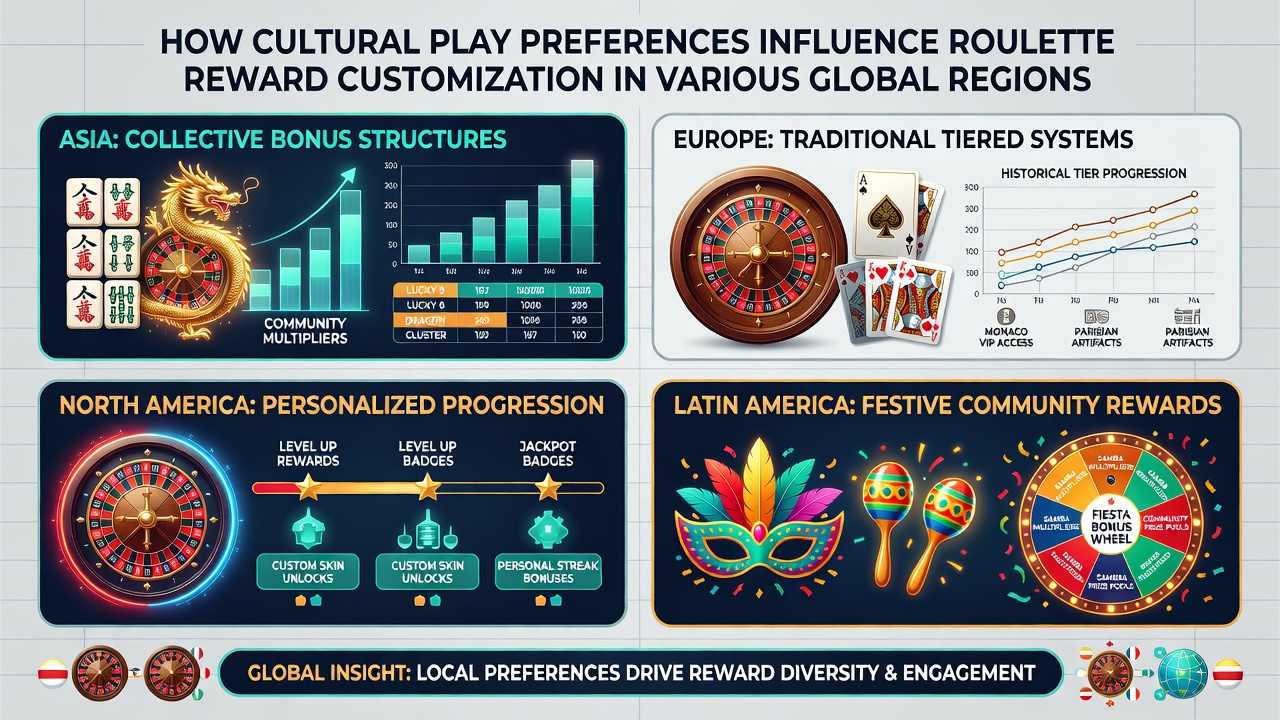
Players in several European countries tend toward extended sessions with moderate bet sizing, which has prompted platforms to emphasize loyalty tiers that unlock incremental cashback after consistent volume rather than large upfront offers. Research from academic institutions in the region indicates that these users respond more readily to rewards tied to table limits and time-based milestones, while high-volatility bonus triggers see lower redemption rates. Regulators in multiple jurisdictions track these patterns through monthly reporting, and figures released in August 2026 from the Malta Gaming Authority highlight how reward menus now segment offers by average stake ranges common to local traffic.
Asia-Pacific Variations in High-Stakes Customization
Markets across the Asia-Pacific region display stronger alignment with larger single-bet incentives and rapid reward cycling. Studies compiled by the University of Macau’s gaming research center demonstrate that participants often favor immediate bonus multipliers attached to specific wheel sectors, leading operators to adjust promotional calendars around peak cultural events and festival periods. Data shows elevated engagement when rewards incorporate tiered multipliers that scale with consecutive wins, whereas flat reload structures receive comparatively less uptake. Platforms operating in these areas frequently integrate mobile-first interfaces that surface these customized offers within the first few spins of a session.
North American Approaches to Session-Based Incentives
North American operators have adapted reward frameworks around shorter, more frequent sessions that align with observed recreational patterns in regulated states. Reports issued by the Nevada Gaming Control Board document how bonus codes tied to deposit thresholds perform differently depending on whether they accompany live dealer or RNG formats, with regional data revealing stronger persistence when rewards include both cashback elements and free-bet vouchers. Customization often incorporates device-specific triggers, such as tablet-optimized progress bars that advance during evening hours when traffic peaks in certain time zones.
Latin American Preferences and Community-Driven Rewards
Operators serving Latin American audiences have incorporated community-oriented features into reward systems, following usage data that links group play and shared referral mechanics to longer retention. Government statistics from Brazil’s gaming oversight bodies, cross-referenced with platform analytics, indicate that rewards structured around shared milestones or tournament entries generate higher repeat participation than purely individual offers. Customization frequently includes language-specific interfaces and localized jackpot pools that reflect regional currency preferences and betting rhythms.
Cross-Regional Data Patterns Emerging in 2026
Comparative analyses released during August 2026 by the Asia Pacific Association of Gaming Regulators reveal consistent correlations between cultural play tempo and the types of incentives that sustain activity. Markets favoring rapid cycles tend to receive more volatile reward layers, whereas regions with steadier engagement patterns see greater emphasis on progressive loyalty ladders. These adjustments occur through algorithmic matching of player profiles to regional datasets, allowing platforms to refine offers without manual intervention on each account.
Conclusion
Patterns documented across these regions underscore how cultural context continues to inform the architecture of roulette rewards, with operators relying on localized behavioral metrics to refine structures that match observed preferences. Ongoing regulatory reporting and academic tracking through late 2026 provide the factual foundation for these adaptations, ensuring customization remains anchored in verifiable usage data rather than generalized assumptions.