Island Casino Jurisdictions and Their Distinct Roulette Promotion Frameworks
Hugo Müller · Aug 21, 2026
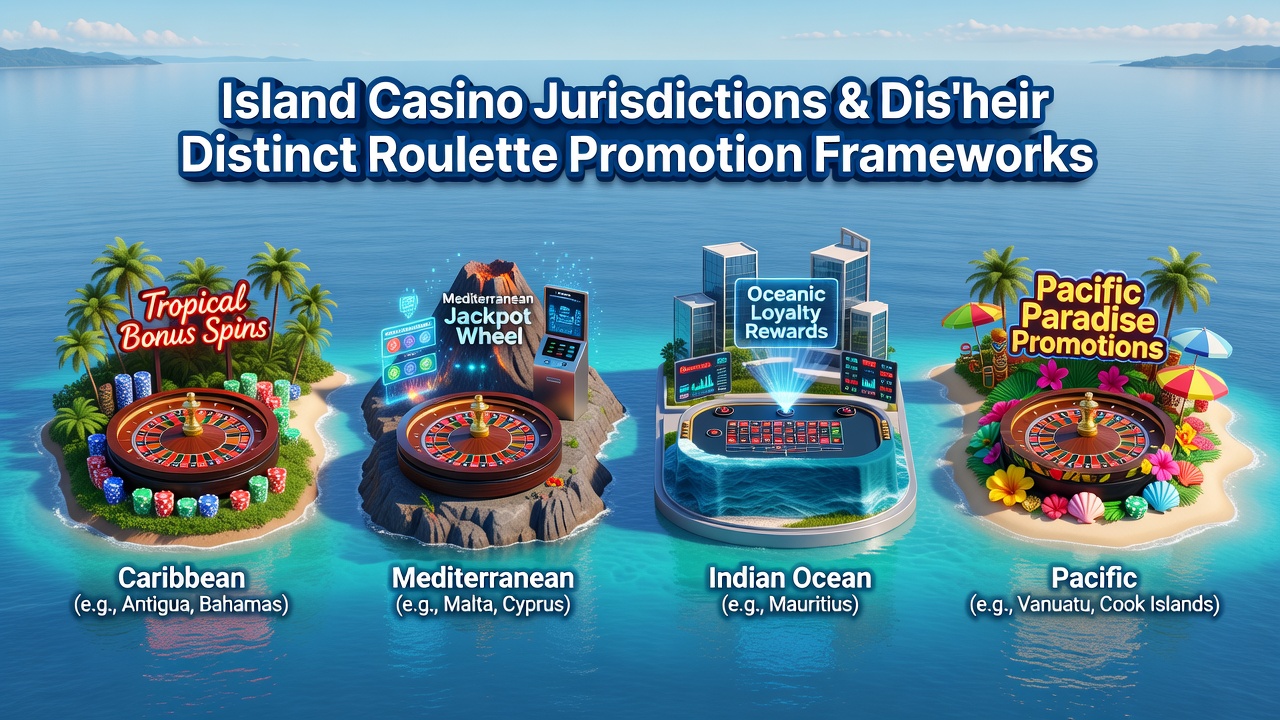
Island Casino Jurisdictions and Their Distinct Roulette Promotion Frameworks
Island casino jurisdictions maintain separate regulatory systems that shape how operators structure roulette promotions, and these differences influence bonus design, wagering requirements, and player eligibility across regions. Malta, Curacao, and the Isle of Man each operate distinct licensing regimes that dictate the form and limits of wheel game incentives, while data from licensing authorities show measurable variations in average bonus values and redemption conditions.
Regulatory Foundations Across Major Island Markets
Malta's licensing framework requires operators to publish clear terms for roulette promotions under the Malta Gaming Authority guidelines, and this approach produces standardized disclosure practices that affect how welcome bonuses and reload offers reach players. In contrast, Curacao's eGaming licensing model permits broader flexibility in promotion mechanics, which leads to higher average bonus percentages in some cases yet also introduces wider variation in playthrough thresholds. The Isle of Man Gambling Supervision Commission applies its own set of rules that emphasize responsible gaming integration within promotional structures, resulting in mandatory caps on certain bonus types that do not appear in every other jurisdiction.
Promotion Mechanics in Practice
Operators licensed in these locations adjust roulette-specific incentives according to local statutes, so a deposit match offer valid under one authority may carry different expiration periods or game weighting rules when issued under another. Research from industry reports indicates that Curacao-licensed sites often feature no-deposit roulette credits at higher frequencies, whereas Malta-based platforms tend toward matched deposit structures tied to verified payment methods. Those who track regulatory filings note that Isle of Man operators frequently incorporate time-limited roulette tournaments into their promotion calendars, creating sequential reward layers that differ from flat bonus models elsewhere.
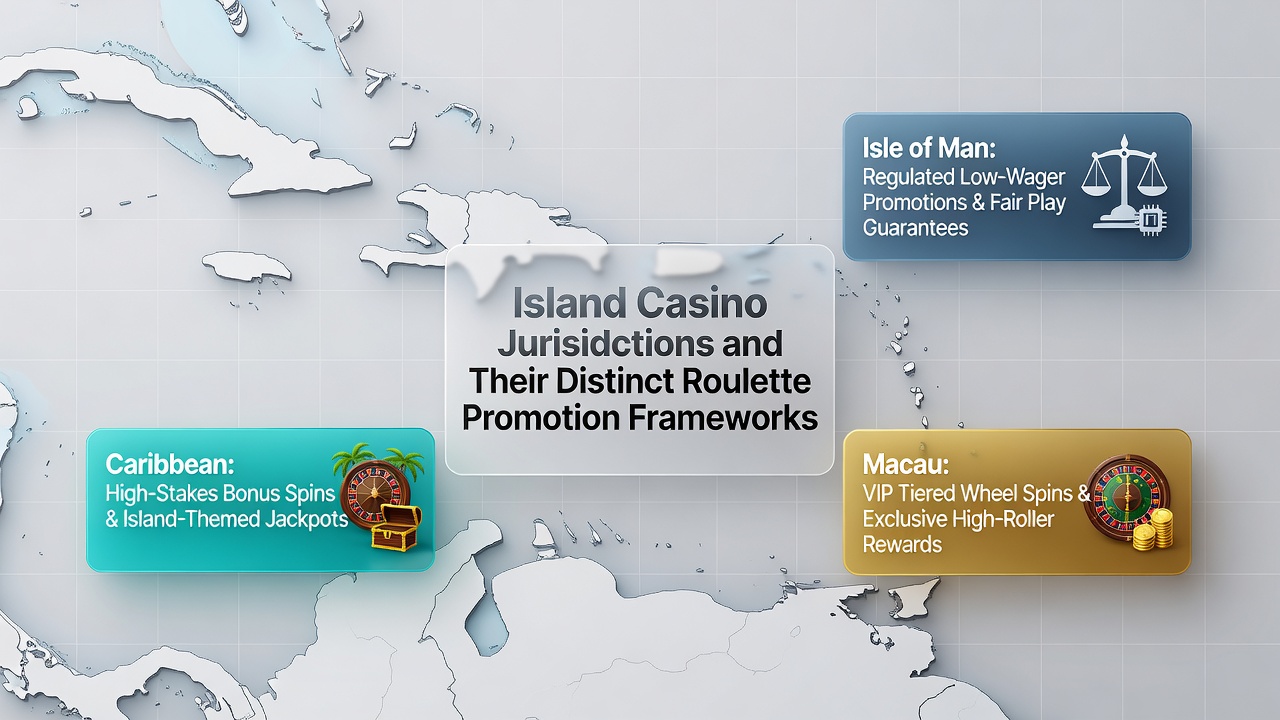
August 2026 saw several licensing bodies release updated compliance checklists that directly reference roulette promotion parameters, and these documents clarify how operators must calculate contribution rates for wheel games within multi-game bonus packages. The adjustments reflect ongoing alignment efforts between island regulators and broader international standards without creating uniform rules across markets.
Cross-Jurisdictional Comparisons and Data Trends
Figures from regulatory summaries reveal that average wagering multipliers for roulette bonuses range from 20x to 40x depending on the issuing jurisdiction, with Curacao frameworks allowing the upper end more often than Maltese or Manx equivalents. Industry associations such as the European Gaming and Betting Association have compiled regional statistics showing that player retention after initial roulette promotion redemptions varies by as much as 15 percentage points across these three locations. Another analysis released through academic channels at the University of Nevada, Reno's gaming research unit highlights correlations between device type and bonus persistence rates that appear consistent within each island's operator base.
Operators must also navigate restrictions on bonus stacking and maximum win caps that differ by license type, and these constraints directly shape the sequencing of roulette campaigns throughout the calendar year. Data indicates that Malta-licensed entities publish more detailed game contribution tables, which reduces ambiguity for players selecting between roulette and other table games during promotional periods.
Emerging Patterns in 2026
Regulatory updates issued in August 2026 introduced new reporting requirements for progressive jackpot roulette promotions within island jurisdictions, requiring operators to disclose contribution percentages to prize pools separately from standard bonus playthrough. These changes affect how multi-tiered reward systems are constructed, particularly in markets where operators combine welcome offers with ongoing loyalty mechanics. Observers tracking compliance filings report that Curacao platforms have adapted by expanding tournament-style roulette events that operate outside traditional bonus code frameworks, while Maltese licensees have refined their existing disclosure formats to meet the revised standards.
Conclusion
Island casino jurisdictions continue to evolve their roulette promotion frameworks through distinct regulatory pathways that produce measurable differences in bonus structures, eligibility rules, and redemption conditions. The variations documented across Malta, Curacao, and the Isle of Man demonstrate how licensing environments influence operator practices without converging on a single model. Continued monitoring of regulatory releases will provide further insight into how these frameworks adapt to new compliance expectations in subsequent periods.