Mapping Player Engagement Cycles Within Multi-Tiered Reward Frameworks for Online Wheel Games
Zoe Hartmann · Jun 12, 2026
Mapping Player Engagement Cycles Within Multi-Tiered Reward Frameworks for Online Wheel Games
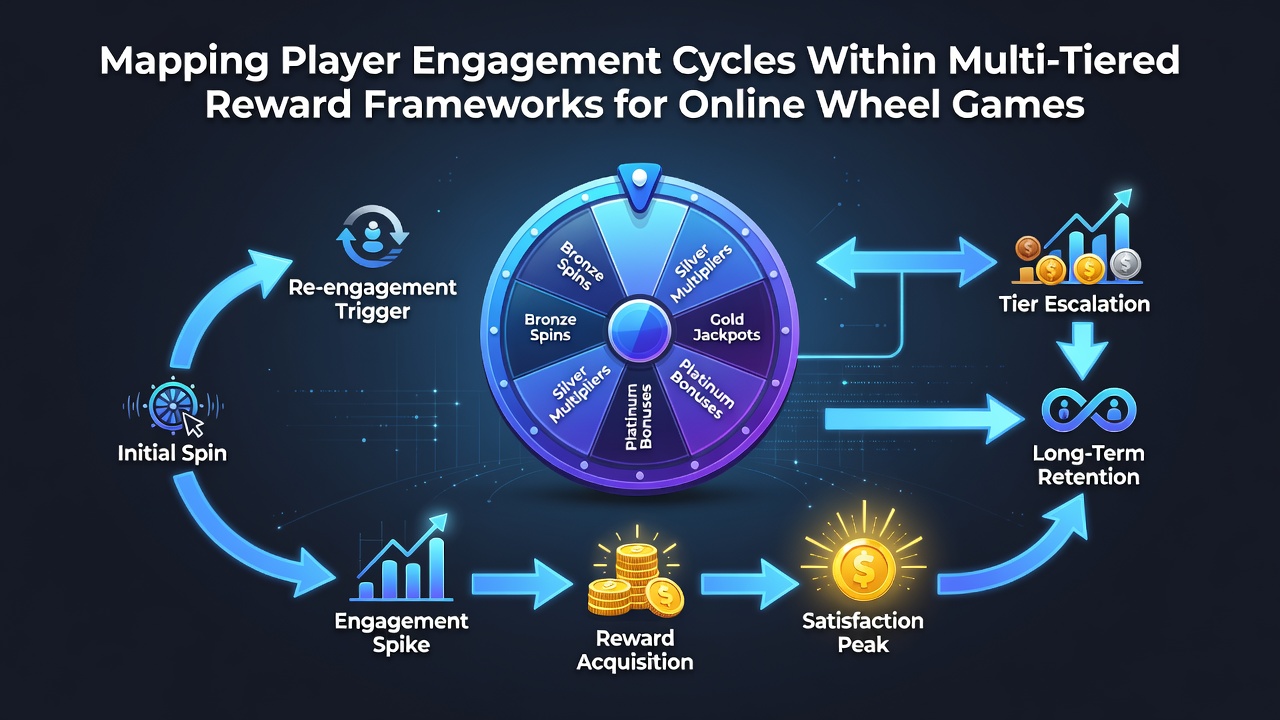
Online wheel games operate through structured reward systems that divide player activity into distinct engagement phases, and these phases align with multi-tiered frameworks that adjust incentives based on frequency, stake levels, and session duration. Operators track these cycles using behavioral metrics that reveal how initial spins transition into sustained participation, while reward tiers escalate from entry-level credits to premium loyalty benefits. Data from regulated markets shows that players move through acquisition, activation, retention, and advocacy stages, with each stage tied to specific reward triggers that maintain momentum across digital platforms.
Defining the Core Components of Tiered Reward Structures
Multi-tiered frameworks in wheel games typically feature base, intermediate, and elite levels where each tier unlocks cumulative benefits such as enhanced spin multipliers, cashback percentages, or exclusive event access. These levels correspond directly to measurable engagement indicators like total wager volume and login consistency, allowing systems to map reward delivery to individual progress patterns. Observers note that progression mechanics often reset or advance on monthly cycles, creating predictable loops that encourage repeated interaction without abrupt changes in benefit availability.
Studies from the Alcohol and Gaming Commission of Ontario indicate that tier advancement correlates with a 35 percent increase in average session length when rewards activate at predefined thresholds. The frameworks integrate real-time tracking tools that monitor wheel spin outcomes alongside deposit patterns, and this integration produces datasets that highlight which incentives sustain activity across different player segments.
Tracing Engagement Cycles Through Behavioral Data
Engagement cycles begin with an acquisition phase where new accounts receive starter rewards designed to prompt first spins, followed by an activation window that measures conversion from trial to regular play. Retention phases extend these patterns through reload mechanics and tiered bonuses that respond to weekly activity reports, while advocacy stages emerge when players reach elite tiers and receive referral incentives or leaderboard placements. Researchers have documented that wheel game ecosystems display shorter cycle durations compared to other casino formats, often spanning 7 to 14 days before players either stabilize or reduce participation.
Patterns extracted from platform analytics reveal that players who complete three consecutive reward redemptions within a single cycle demonstrate higher retention rates into the following month. These findings emerge from cross-referenced datasets that pair device session logs with reward claim timestamps, producing maps that operators use to adjust tier thresholds dynamically.
Regional Implementation Patterns Emerging in Mid-2026
Market reports compiled ahead of June 2026 show variations in how North American and European operators structure their tier systems for wheel games. Canadian platforms emphasize cashback tiers that scale with provincial compliance requirements, whereas Australian operators focus on time-based loyalty points that accumulate through progressive wheel features. Both approaches rely on the same underlying cycle mapping but differ in reward velocity, with Canadian frameworks advancing players faster during high-volume periods and Australian systems spreading benefits across longer calendar windows.
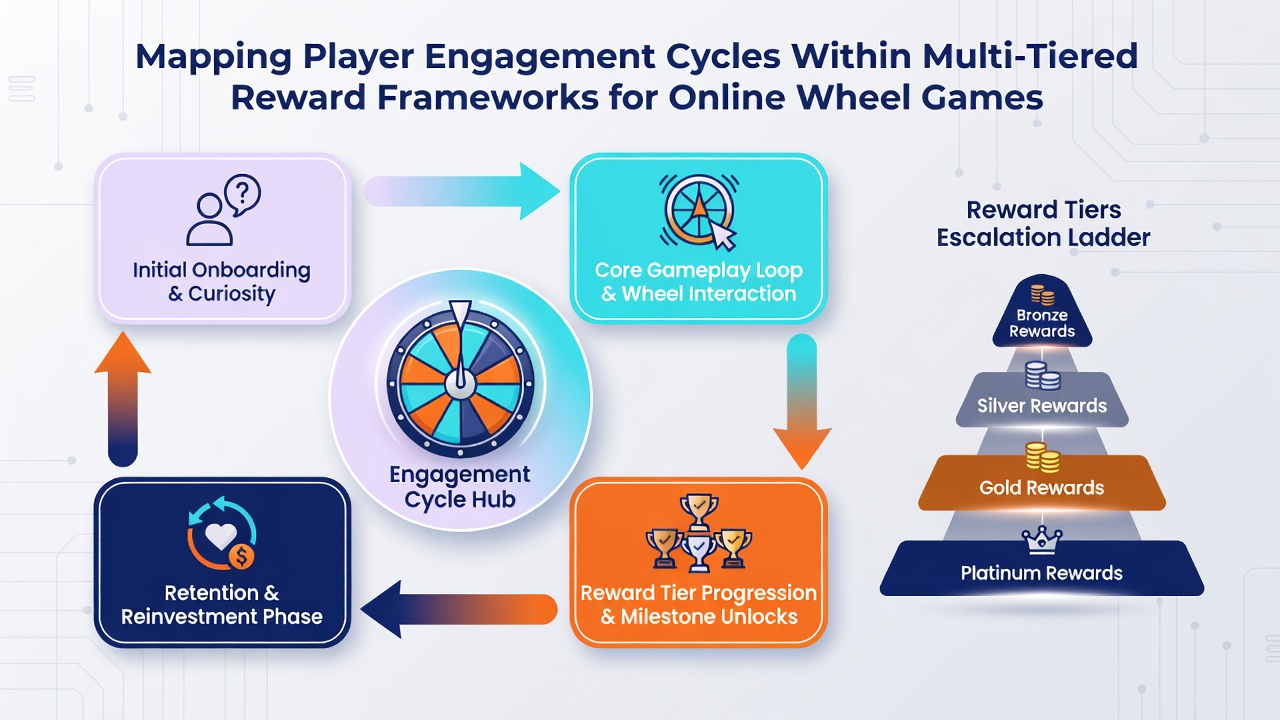
According to analysis released by the Australian Gambling Research Centre, wheel game operators recorded a 22 percent rise in tiered reward redemptions between January and May 2026, coinciding with updated responsible gaming tools that flag extended cycles. These tools overlay cycle maps with spending limits, allowing platforms to pause reward progression when predefined thresholds trigger. The approach maintains engagement mapping while aligning with regulatory expectations across jurisdictions.
Integration of Analytics Tools and Cycle Visualization
Advanced visualization platforms convert raw player data into cycle diagrams that display how reward tiers intersect with behavioral loops. These diagrams plot variables such as spin frequency against tier status, producing heat maps that identify drop-off points where engagement declines. Operators apply the resulting insights to recalibrate bonus triggers, ensuring that intermediate tiers activate before players exit the retention phase.
One documented case involved a European operator that adjusted its wheel game loyalty structure after reviewing cycle data from the first quarter of 2026. The changes shifted elite-tier unlocks earlier in the progression path, resulting in measurable extensions of average player lifespan within the framework. Such adjustments demonstrate how cycle mapping serves as an operational tool rather than a static reporting exercise.
Conclusion
Mapping player engagement cycles within multi-tiered reward frameworks provides operators with structured methods for aligning incentives to observed activity patterns in online wheel games. Data collected through 2026 continues to refine these models, incorporating regional regulatory inputs and platform-specific metrics that track progression from initial spins to sustained loyalty. The resulting frameworks support consistent reward delivery while responding to shifts in player behavior across global markets.