Player Pathways Through Roulette Reward Layers Across Shifting Device Ecosystems
Hugo Fischer · Jun 17, 2026

Player Pathways Through Roulette Reward Layers Across Shifting Device Ecosystems
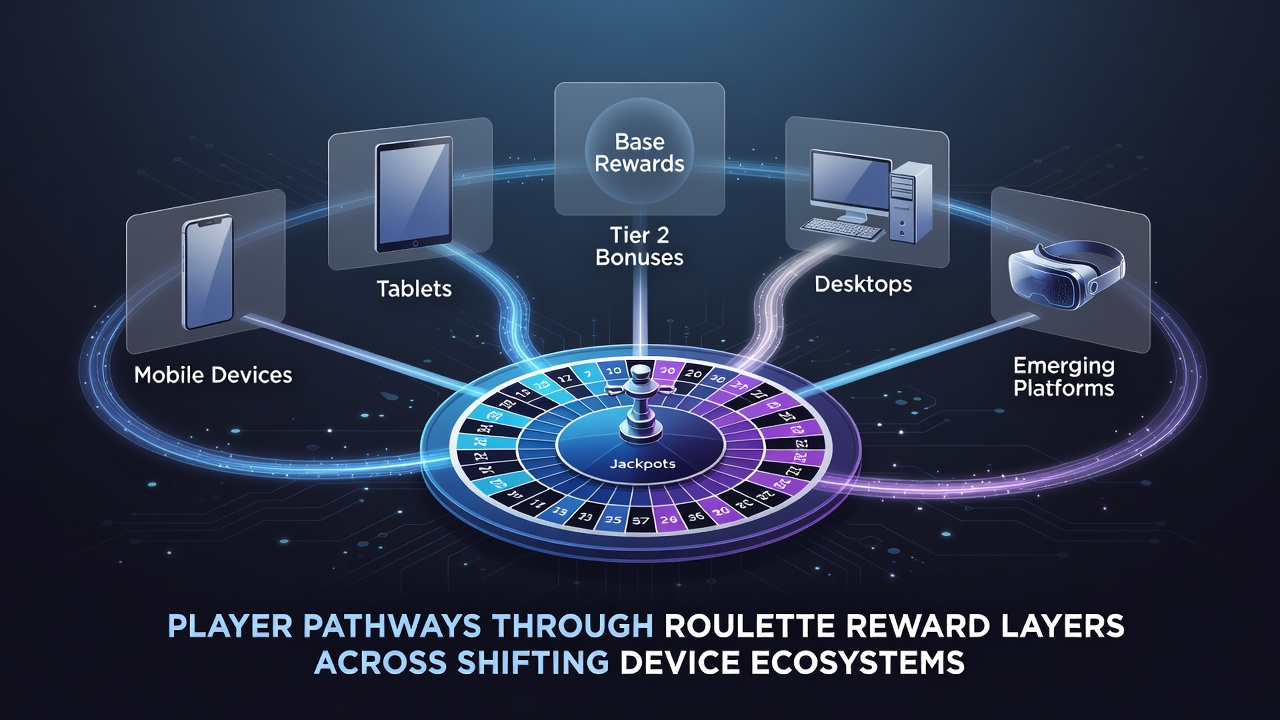
Player movement through layered roulette rewards has evolved alongside device usage patterns that shift between desktop platforms, mobile applications and tablet interfaces throughout a single session or across multiple days. Operators track these transitions because reward structures now adjust automatically when players switch devices mid-session, which preserves progress in bonus tiers without resetting accumulated points or multipliers.
Device Transitions and Reward Continuity
Studies on digital gaming behavior indicate that roughly 68 percent of roulette participants begin sessions on mobile devices yet complete a significant portion of their play on desktop setups later in the evening. This pattern creates specific requirements for reward systems that maintain layer integrity across environments. Progressive loyalty mechanisms record device identifiers alongside betting sequences so that players who unlock a mid-tier cashback layer on a smartphone retain eligibility when they log in from a laptop, while operators synchronize session data through centralized account profiles rather than device-specific storage.
Layered Reward Structures in Practice
Reward layers in contemporary roulette platforms typically consist of entry-level deposit matches, followed by spin-based multipliers, then tiered cashback percentages that activate after cumulative wagers reach defined thresholds. Data compiled by regional monitoring agencies shows these layers interact differently depending on whether play occurs through native apps or browser-based interfaces. Mobile sessions often register smaller average bet sizes yet higher frequency, which accelerates movement through early reward stages, whereas desktop play tends toward larger single wagers that push players into higher cashback brackets more rapidly once thresholds are crossed.
Observers note that synchronization between portable device features and progressive structures has improved since early 2025, with operators implementing real-time API calls that update player status within seconds of a device change. This approach reduces instances where accumulated progress disappears during transitions, a problem that previously affected nearly one quarter of multi-device users according to aggregated platform analytics.
Regional Patterns Emerging in Mid-2026
By June 2026 several markets reported distinct pathway signatures tied to device preferences. In jurisdictions where tablet ownership remains high, players demonstrate longer dwell times within mid-level reward layers before advancing, while smartphone-dominant regions show quicker progression followed by earlier exits from promotional cycles. Regulatory summaries from the Nevada Gaming Control Board highlight similar trends among licensed interactive operators, noting that cross-device continuity correlates with extended account activity spanning an average of 14 additional days per player.
Academic reviews of transaction logs further reveal that reward persistence varies when players alternate between operating systems. Those who shift from iOS to Android environments sometimes encounter brief delays in layer recognition because of differing push-notification frameworks, although most platforms now deploy unified cloud profiles that mitigate these interruptions. Industry reports from the European Gaming Association document that such delays have decreased by approximately 40 percent year-over-year following widespread adoption of standardized player identification protocols.
Algorithmic Matching and Profile Alignment
Platforms increasingly rely on algorithmic matching that pairs individual betting patterns with appropriate incentive layers based on historical device sequences. Players who consistently begin sessions on mobile and migrate to desktop after reaching certain wager volumes receive targeted prompts that accelerate access to subsequent reward tiers. Research conducted at several European universities examining anonymized datasets confirms that these matched pathways increase the duration players remain within active promotional structures without altering overall house-edge calculations.
Behavioral indicators collected across multiple operators demonstrate that device ecosystem shifts influence not only progression speed but also the types of roulette variants selected at each layer. Mobile users gravitate toward simplified wheel formats during early stages, then transition to multi-wheel or live-dealer options once desktop access is established, which aligns with observed increases in average session length.
Conclusion
Player pathways through roulette reward layers continue to reflect the realities of multi-device participation, with operators refining synchronization methods to support seamless movement between ecosystems. Metrics gathered through June 2026 show measurable improvements in continuity rates alongside stable engagement patterns across regions. These developments rest on coordinated data practices that respect regulatory frameworks while accommodating the practical habits of participants who change devices throughout their play cycles.