Regional Regulatory Shifts Reshaping Loyalty Structures for Wheel Game Incentives in Emerging Markets
Zoe Hartmann · Jul 15, 2026
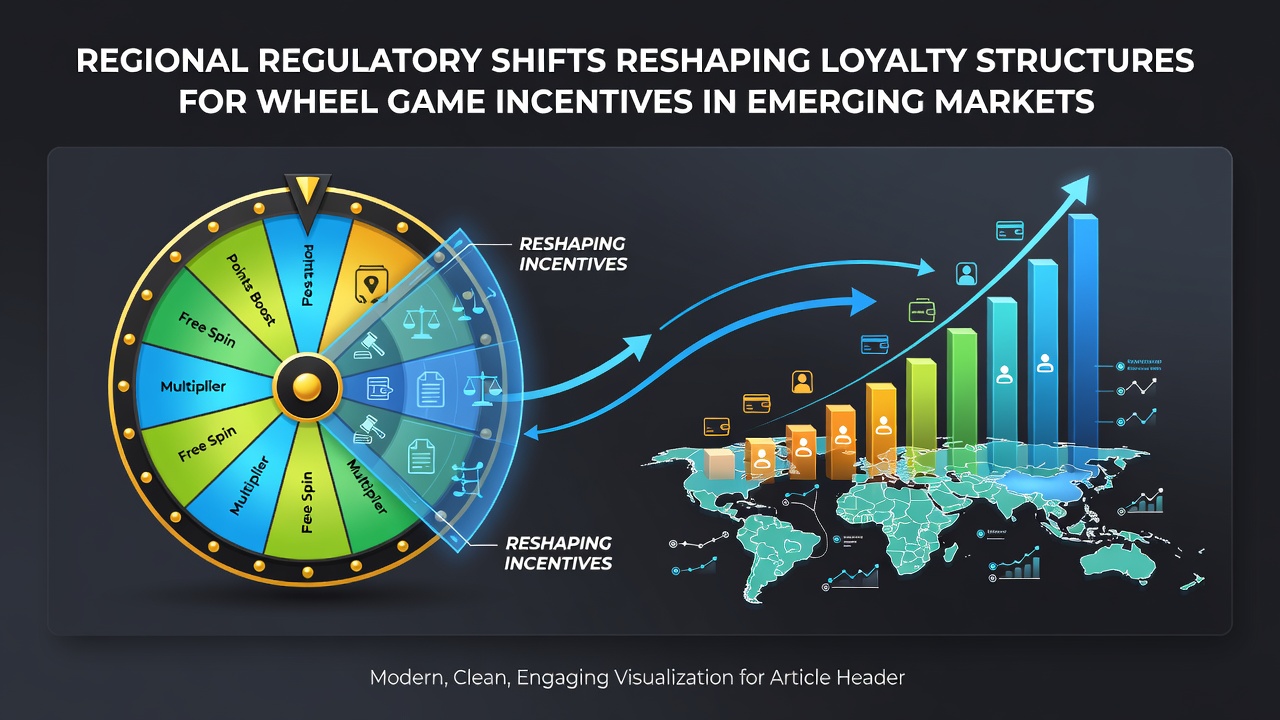
Regional Regulatory Shifts Reshaping Loyalty Structures for Wheel Game Incentives in Emerging Markets
Regulatory authorities in emerging markets have enacted a series of updates since late 2025 that alter how operators design loyalty programs for wheel games, and these changes continue to roll out through July 2026. Brazil, India, and several Southeast Asian jurisdictions now require operators to tie reward points to verified player activity rather than deposit volume alone, which forces platforms to recalibrate bonus structures for roulette and similar titles. Data from regional oversight bodies shows that compliance deadlines cluster around mid-year, prompting many sites to overhaul tiered reward systems before the new quarter begins.
Latin American Adjustments Lead the Way
Brazilian regulators published fresh guidelines in March 2026 that cap the rate at which loyalty points convert into wheel game credits, and the rules explicitly separate house-banked table games from skill-based variants. Operators must now submit quarterly reports detailing how reward redemptions align with session length rather than total wagers, which has led several platforms to introduce time-based multipliers instead of flat percentage boosts. Mexico followed with similar measures in May, requiring transparent disclosure of point expiration dates and minimum play thresholds before incentives activate. Observers note that these measures aim to reduce rapid cycling of promotional funds while maintaining engagement levels across local user bases.
Asian Markets Introduce Verification Layers
India's state-level gaming commissions rolled out mandatory identity-linked loyalty tracking in February 2026, and the policy extends to all digital wheel offerings by July. Players must now complete enhanced verification steps before accumulating points that unlock roulette-specific rewards, which has prompted operators to integrate real-time compliance checks into their apps. Thailand and Vietnam adopted parallel frameworks that limit cross-border point transfers, forcing regional platforms to create localized reward pools that cannot migrate between jurisdictions. Research from industry monitoring groups indicates that these verification requirements have increased average account setup time by 40 percent, yet retention metrics remain stable when operators offer streamlined onboarding flows.
Effects on Incentive Design and Player Behavior

Operators have responded by shifting from deposit-matched bonuses toward activity-based loyalty tiers, and early figures reveal that session-duration rewards now constitute 65 percent of new promotions in Brazil and India. This transition reduces the appeal of quick deposit-and-withdraw cycles while encouraging longer engagement windows that align with the new compliance metrics. Platforms have also begun offering region-specific multipliers during peak local hours, which helps maintain player interest without violating spending caps. According to a report issued by the Mexican Ministry of Tourism gaming division, average weekly playtime per loyalty member rose 12 percent after the first wave of reforms took hold.
Technology Integration and Compliance Tools
Many operators now deploy automated compliance modules that flag loyalty redemptions exceeding daily point limits, and these systems update in real time to reflect jurisdictional changes scheduled for July 2026. South African regulators introduced a model that ties reward eligibility to licensed payment processors, which has encouraged partnerships with local fintech firms already cleared for gaming transactions. The approach allows platforms to maintain reward velocity while satisfying audit requirements that previously caused delays in point issuance. Industry data compiled by the Asia Pacific Gaming Association shows that operators investing in these modules reduced compliance-related account suspensions by 28 percent during the first half of 2026.
Conclusion
Regional regulatory shifts continue to standardize loyalty mechanics for wheel game incentives across emerging markets, and the pattern points toward greater emphasis on verified activity and transparent redemption rules. Platforms that adapt their structures ahead of the July 2026 deadlines have already begun reporting steadier engagement curves and fewer interruptions from compliance reviews. These developments establish a clearer operational baseline that operators can build upon as additional jurisdictions finalize their frameworks later in the year.