Shifting Dynamics in Global Digital Gaming Rewards: A Focus on Wheel Game Specific Loyalty Mechanisms
Leon Roth · May 20, 2026
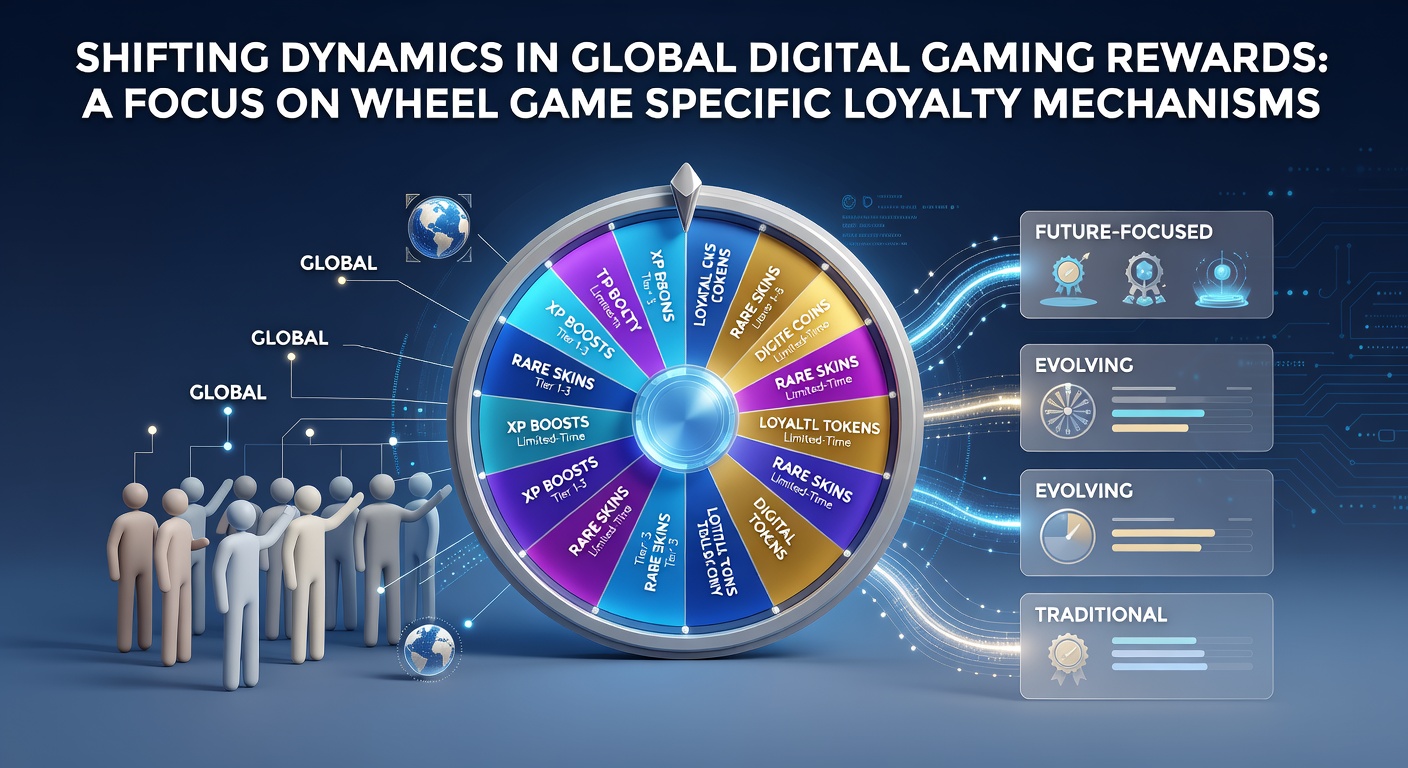
Shifting Dynamics in Global Digital Gaming Rewards: A Focus on Wheel Game Specific Loyalty Mechanisms
Digital gaming platforms continue to refine reward structures as operators respond to evolving player behaviors across multiple regions, and wheel games such as roulette have emerged as a distinct category where loyalty mechanisms operate differently from slot or table game programs. These adjustments reflect broader market data showing increased engagement with spinning wheel formats on mobile applications and desktop clients alike.
Global Patterns in Digital Reward Evolution
Research indicates that loyalty systems in online gaming have shifted from simple deposit matches toward layered point accumulation models that reward frequency of play and specific game choices, while operators track session duration and wager volume through integrated analytics platforms. Data from industry reports reveal that wheel game participants often receive accelerated point multipliers during designated promotional windows, a practice that differs from the flat-rate systems applied to other verticals. Observers note that this differentiation arises because wheel games generate predictable engagement cycles that align with real-time bonus triggers.
Figures released by regulatory bodies in Australia and Canada demonstrate steady growth in digital loyalty participation rates between 2024 and 2025, and analysts attribute part of this expansion to the introduction of game-specific tiers that grant exclusive access to wheel-only tournaments and cashback schedules. Those who monitor cross-border trends point out that European markets have adopted similar frameworks but with additional emphasis on responsible play limits tied directly to reward balances.
Wheel Game Loyalty Mechanics in Practice
Loyalty mechanisms tailored to wheel games typically incorporate spinning multipliers that activate after a set number of qualifying rounds, and these features allow players to convert accumulated points into free spins or reduced house edges on subsequent bets. Studies from academic research groups show that such mechanics increase repeat visits because the reward loop feels immediate and visually reinforced through animated wheel outcomes. Operators have also introduced segmented leaderboards where top performers in roulette variants earn status upgrades that unlock personalized cashback percentages unavailable in other game categories.
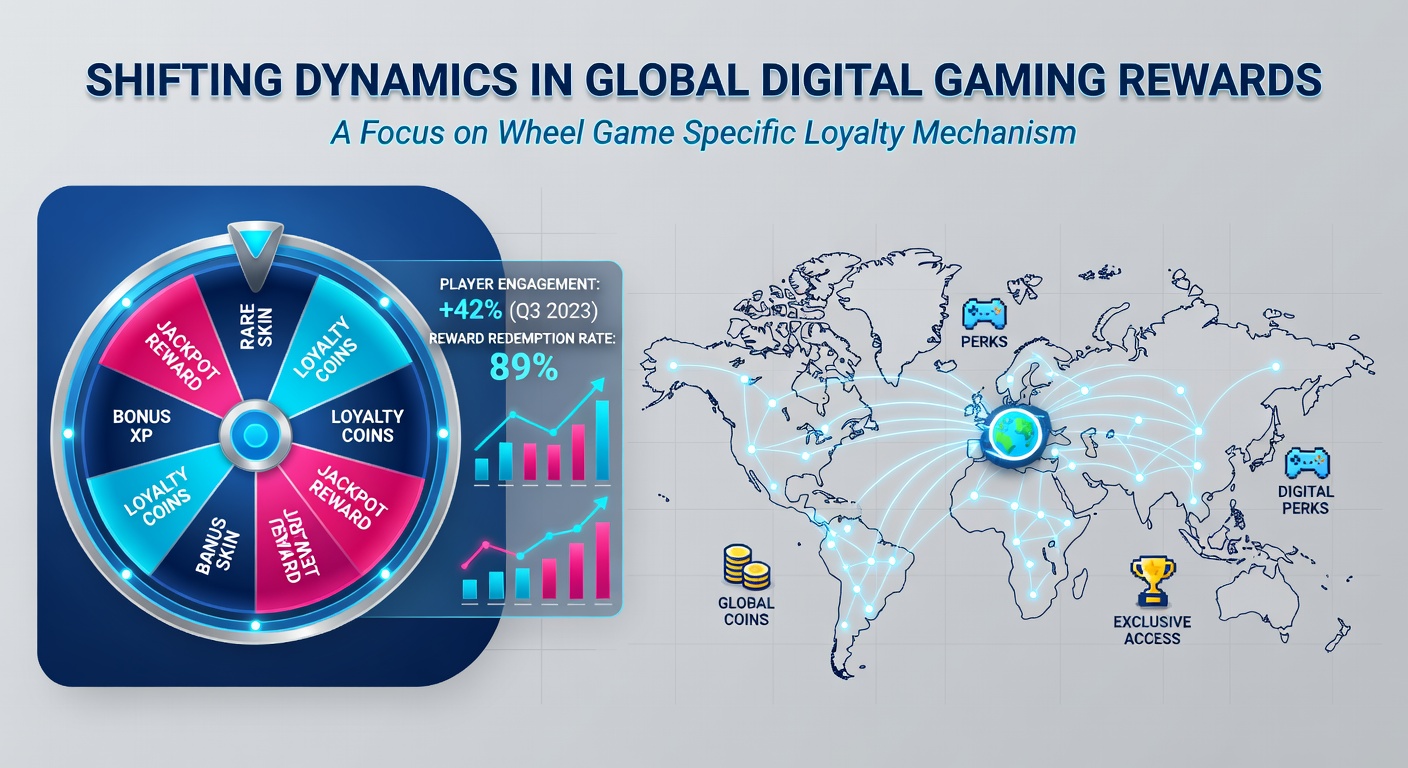
According to the American Gaming Association, several North American platforms reported higher retention among roulette-focused users after implementing hybrid loyalty currencies that combine standard points with wheel-specific tokens. These tokens can be redeemed for entry into progressive jackpot wheels or for temporary reductions in minimum bet requirements. The structure encourages sustained play without altering core game mathematics, and similar patterns appear in markets where digital licensing frameworks permit targeted promotional tools.
What's interesting is how certain programs now link loyalty progression to seasonal events, such as May 2026 tournaments that feature doubled point awards for wheel game sessions during designated weeks. Reports suggest these timed campaigns help platforms manage peak traffic while giving regular participants additional value through accelerated tier advancement.
Regional Variations and Regulatory Influences
European jurisdictions apply stricter disclosure rules to loyalty terms compared with some Asia-Pacific markets, yet both regions have seen operators introduce wheel game exclusives that tie reward eligibility to verified account activity over rolling thirty-day periods. The European Gaming and Betting Association has documented how these rules encourage transparent point valuation systems that players can review through account dashboards. In contrast, Canadian provinces have permitted more flexible structures that bundle wheel rewards with broader platform-wide benefits, creating hybrid models that appeal to users who rotate between game types.
Observers note that data transparency has become a competitive factor, with platforms publishing redemption rates and average reward values to build trust. Those who've examined user behavior metrics find that wheel-specific loyalty elements often produce steadier engagement curves than generic systems because the visual feedback of spinning rewards reinforces continued participation.
Future Trajectories for Wheel-Focused Rewards
Market analyses project continued refinement of loyalty algorithms through 2026 and beyond, particularly as artificial intelligence tools enable real-time adjustment of point multipliers based on individual play patterns within wheel games. Platforms that integrate these tools report improved segmentation capabilities, allowing separate reward tracks for European roulette, American variants, and live dealer formats. The approach maintains regulatory compliance while delivering differentiated value that aligns with documented player preferences across geographic segments.
Conclusion
Global digital gaming rewards continue to adapt as operators develop wheel game loyalty mechanisms that emphasize frequency, visual reinforcement, and regional regulatory alignment. Data from multiple markets shows these targeted systems contribute to measurable retention gains, and further evolution appears likely as technology and player expectations shift in tandem through the remainder of the decade.