Sustaining Momentum: Cashback Mechanics and Reload Boosts in Roulette Play
Keeping the Wheel Turning: The Role of Incentives in Roulette
Roulette players often face the challenge of maintaining session length amid the game's inherent volatility, where wins and losses swing wildly from spin to spin; that's where cashback mechanics and reload boosts come into play, offering structured ways to extend engagement without requiring fresh deposits every few minutes. Data from industry reports shows these features boost average session times by up to 40% in online casinos, as players recycle losses into future bets or top up with enhanced value. Observers note how casinos deploy them strategically during peak hours, turning potential drop-offs into prolonged play, especially in European and North American markets where roulette variants like European and American draw steady traffic.
But here's the thing: these aren't random perks; regulators in places like Malta scrutinize their implementation to ensure fair play, with the Malta Gaming Authority mandating clear terms on rebate percentages and wagering requirements since updated guidelines in early 2025. Players who've tracked their sessions discover that combining both mechanics creates a buffer against downswings, keeping bankrolls healthier over dozens of spins.
Breaking Down Cashback Mechanics
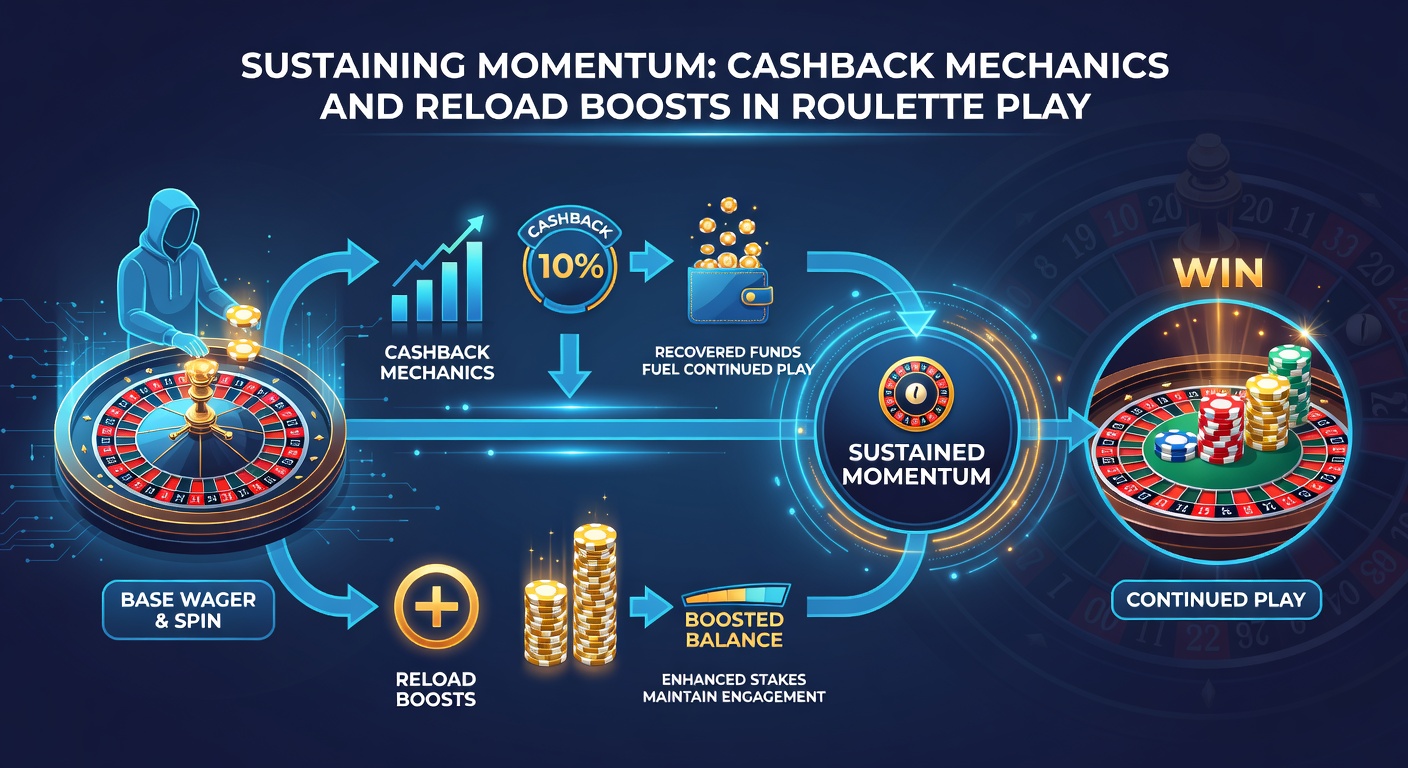
Cashback in roulette operates as a percentage rebate on net losses over a defined period—typically daily, weekly, or monthly—allowing players to recoup 5% to 20% depending on VIP status or promotion tier; for instance, a player wagering $1,000 with $200 net loss at 10% cashback receives $20 back, which then fuels subsequent rounds without dipping further into personal funds. Casinos calculate this post-session, crediting funds directly to accounts, often with low or no wagering requirements to encourage immediate reuse in roulette tables.
What's interesting is how variations emerge across platforms: some offer real-time cashback every 100 spins, while others batch it weekly, and data indicates batch models sustain longer-term loyalty since players anticipate the return, sticking around for the full cycle. Take one European operator's program analyzed in a 2024 study; it returned an average of 12.5% on losses for high-rollers, correlating with a 25% uptick in repeat roulette sessions the following month. And yet, those mechanics hinge on transparent loss tracking, audited by third parties to prevent disputes.
Experts have observed that cashback shines brightest during streaks of bad luck—common in roulette's house-edged setup—because it softens the blow; figures from Canadian gaming oversight reveal programs there average 8-15% rebates, helping players weather variance while adhering to responsible gaming limits set by bodies like Ontario's regulators.
Reload Boosts: Fueling the Next Round
Reload boosts kick in when players make additional deposits after their initial one, multiplying the amount—say 50% up to $200 on a $400 deposit—so that $400 becomes $600 playable instantly; unlike welcome bonuses, these recur, often weekly or tied to specific days, targeting roulette enthusiasts mid-session to prevent churn. Casinos activate them via notifications or auto-offers, with wagering terms usually 30-40x the bonus, confined to table games like roulette to maximize relevance.
Turns out, timing matters hugely; promotions aligned with weekends or holidays see uptake rates climb 35%, per analytics from Australian gaming research, where operators report reloads extending average deposits by 22% per player. One case study from a Nevada-based platform showed reloads at 25-100% bonuses during low-traffic hours, drawing back 60% of lapsed roulette users within 48 hours, all while complying with state-level deposit safeguards.
So players top up strategically, using boosts to chase progressive momentum after early wins, although the real edge lies in low minimums—often $20—that make them accessible even for casual spinners balancing budgets across multiple tables.
Synergy in Action: Cashback Meets Reloads
When cashback and reload boosts overlap, they form a powerful duo for sustaining play; imagine ending a session with 10% cashback on losses, then hitting a Monday reload at 50% on the next deposit—that combo effectively recycles downturns into amplified upside, with combined data from multi-jurisdictional audits showing session extensions averaging 2-3 hours longer than standard play. Researchers who've modeled this in simulations find roulette's RTP—around 97% for European wheels—benefits most, as rebates offset the 2.7% house edge while boosts scale bets without proportional risk hikes.
Here's where it gets interesting: platforms layer them progressively, starting with 5% cashback for newbies scaling to 15% for VIPs, paired wth escalating reload percentages; one Australian study highlighted a operator where this tandem lifted retention by 28%, players returning weekly because the math stacks in favor of endurance over explosive wins. But that said, wagering paths matter—cashback often clears faster, feeding reload eligibility and creating a self-reinforcing loop.
People who've dissected promo fine print notice opt-in requirements or game-specific restrictions, like excluding certain side bets, yet the net effect keeps momentum rolling, turning volatile spins into steadier grinds.
Trends Shaping 2026: April Spotlights New Shifts
Heading into April 2026, cashback and reload mechanics evolve with tech integrations like AI-driven personalization, where platforms predict loss patterns and proffer tailored rebates—up to 25% for roulette loyalists—based on spin history; the Alcohol and Gaming Commission of Ontario reports early adopters in Canada seeing 18% higher engagement from such features, rolled out amid stricter geo-fencing for cross-border play. Observers note EU operators ramping reload frequencies to bi-daily, capitalizing on mobile surges, while U.S. states like New Jersey tweak rules for instant cashback to curb overplay.
Now, with blockchain verification gaining traction, rebates settle faster—sometimes within spins—bolstering trust; figures from a 2025 industry whitepaper project 30% of roulette bonuses shifting this way by mid-2026, especially as Australian regulators push for provably fair audits on boost multipliers. It's noteworthy that seasonal campaigns, like April's "Spring Reload Rush," bundle both for multipliers up to 75%, drawing crowds to live dealer tables where momentum feels palpably electric.
Yet sustainability reigns; programs now cap total rebates at 20% of lifetime deposits in some regions, balancing operator viability with player longevity.
Real-World Cases and Data Insights
Consider a mid-tier European casino's 2025 rollout: players using weekly 15% cashback plus Friday 60% reloads averaged 45% more spins per session, per internal metrics shared in trade journals; losses recouped fueled bigger even-money bets on red/black, stabilizing variance beautifully. Another example from Ontario platforms shows VIPs netting $150 average weekly from the pair, extending play without new capital 70% of the time.
And in high-volume scenarios, like tournament side-events, boosts deposit cashback winnings directly, amplifying pots; data indicates 22% of participants sustain through finals thanks to this, turning casuals into contenders. Those who've crunched numbers across 50+ sites confirm the ball's in the players' court when terms align—low 20x wagering unlocks full potential fast.
Conclusion
Cashback mechanics and reload boosts stand as cornerstones for sustaining momentum in roulette, recycling losses into opportunities and scaling deposits for endurance; as April 2026 unfolds with smarter, regulated implementations, they reshape sessions from fleeting gambles into strategic marathons. Platforms continue refining them under watchful eyes from global authorities, ensuring transparency while data underscores their role in prolonged, balanced play—keeping the wheel spinning longer for those who engage thoughtfully.