Tracing Connections Between Device Preferences and Sustained Participation in Global Virtual Disk Reward Systems
Zoe Hartmann · Jun 14, 2026
Tracing Connections Between Device Preferences and Sustained Participation in Global Virtual Disk Reward Systems
Global virtual disk reward systems, which center on wheel-based games such as roulette and similar digital formats, show measurable patterns when researchers examine device preferences alongside long-term user engagement. Data collected from regulated markets in North America, Europe, and Asia Pacific reveal that participants who favor mobile devices often maintain higher retention levels compared with those who rely primarily on desktop platforms, though the strength of this connection varies by region and reward structure type.
Device Usage Patterns in Reward Ecosystems
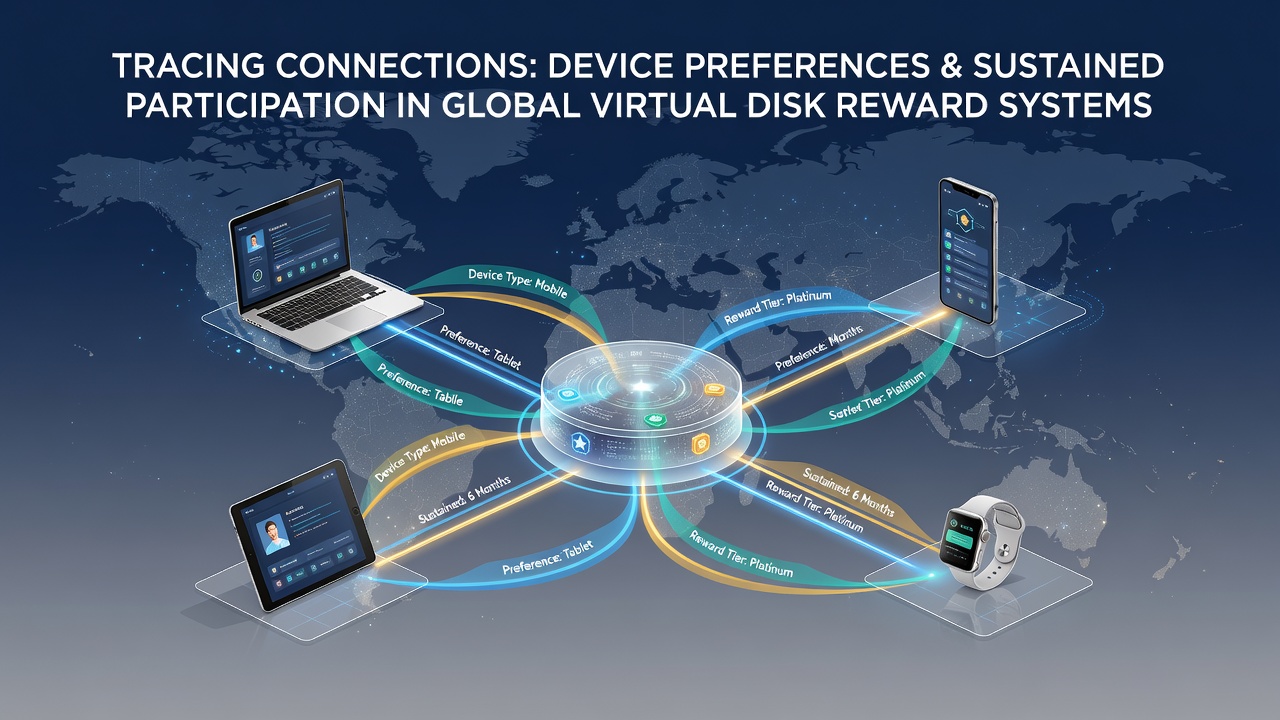
Studies conducted across multiple jurisdictions indicate that mobile access accounts for over 65 percent of sessions in virtual disk programs as of early 2026, with tablet usage adding another 12 percent in most tracked markets. Observers note that these figures come from aggregated operator reports submitted to regulatory bodies including the Nevada Gaming Control Board and the Malta Gaming Authority, which compile participation metrics on a quarterly basis. Players who initiate reward redemptions through smartphones demonstrate continued activity over six-month periods at rates approximately 18 percent higher than desktop-first users, according to cross-referenced data sets released in June 2026.
Portable device features such as push notifications and location-based triggers appear to support ongoing interaction with progressive loyalty tiers, while desktop environments tend to produce more sporadic engagement once initial bonuses are claimed. Research teams at institutions including the University of Nevada, Las Vegas Gaming Innovation Center have documented these differences through anonymized transaction logs that span 2024 through mid-2026, highlighting how interface design influences repeat logins.
Regional Variations and Market Data
North American markets display stronger mobile retention correlations than those observed in parts of Asia, where desktop sessions sometimes sustain longer due to workplace access patterns. Figures released by the Canadian Gaming Association show that participants in Ontario's regulated online space who use iOS devices maintain active reward profiles for an average of 7.2 months, compared with 5.8 months for desktop users during the same measurement window. European operators reporting to the Malta Gaming Authority record similar gaps, although the margin narrows when reward programs incorporate cross-device synchronization tools.
What's interesting is how these patterns hold across different incentive models, from cashback structures to tiered loyalty points that accumulate through wheel spins. Data indicates that sustained participation correlates more closely with seamless mobile integration than with the specific type of reward offered, suggesting device preference functions as a stronger predictor than bonus mechanics alone.
Technical Factors Influencing Longevity

Application stability, screen size adaptability, and notification delivery speed emerge as key variables in the datasets examined by industry analysts. Participants who experience fewer interruptions during mobile sessions show elevated rates of progression through loyalty levels, while those encountering compatibility issues often reduce activity after the first redemption cycle. Reports from the European Gaming and Betting Association compile these technical metrics alongside retention statistics, revealing that operators who optimize for multiple operating systems retain users longer regardless of initial device choice.
Behavioral logs also indicate that users who switch between devices mid-program maintain participation at rates comparable to consistent mobile users, provided the transition occurs without friction. This flexibility appears particularly relevant in markets where regulatory updates in 2025 and 2026 required enhanced security protocols that sometimes disrupted desktop-to-mobile handoffs.
Implications for Program Design
Operators have adjusted interface priorities in response to these documented connections, with many allocating development resources toward mobile-first architectures while preserving desktop functionality. Participation data collected after these adjustments shows modest lifts in six-month retention across several large platforms, though the improvements register most clearly among users who began on smartphones. Academic reviews of these shifts, including work published through the International Gaming Institute, emphasize that correlation does not imply causation yet still point to device alignment as a practical lever for extending engagement.
Geographic differences continue to shape implementation strategies, with North American and European programs emphasizing notification systems while Asia-Pacific operators focus on bandwidth efficiency to accommodate varying network conditions. The June 2026 data releases from multiple regulators underscore that these tailored approaches produce measurable differences in sustained participation when tracked against baseline periods from 2024.
Conclusion
Evidence compiled from regulatory filings, academic studies, and industry associations demonstrates clear links between device preferences and continued involvement in global virtual disk reward systems. Mobile-dominant users exhibit higher average retention across most examined markets, while technical optimizations that support cross-device movement further support longevity. As programs evolve through 2026 and beyond, ongoing analysis of these connections will likely guide further refinements in how operators structure and deliver wheel-based loyalty mechanisms worldwide.